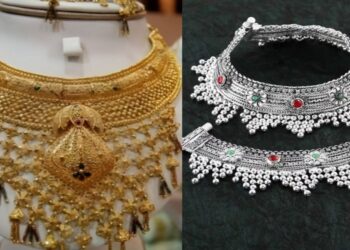
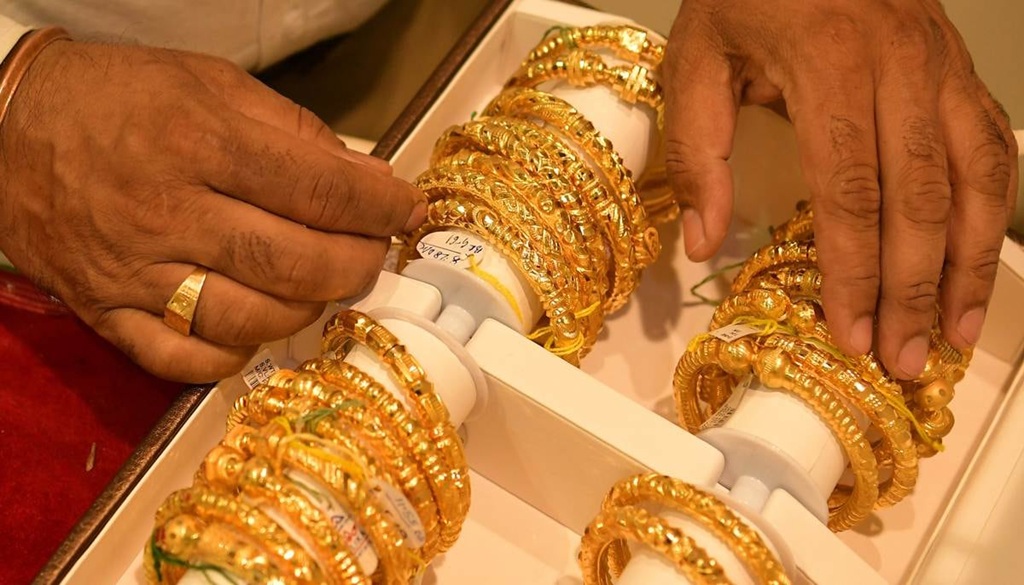
Patna, June 16: Gold and silver prices declined on Tuesday, according to data released by the India Bullion and Jewellers Association (IBJA). The price of 10 grams of 24-carat gold fell by Rs 552 to Rs 1.50 lakh, while silver prices dropped by Rs 4,421 per kilogram to Rs 2.47 lakh.

The decline comes after a period of sustained gains in the bullion market. Despite the latest correction, both metals remain significantly more expensive than they were at the beginning of the year.
Gold remains higher than at the start of 2026

Gold has recorded a substantial increase in 2026 even after the June 16 decline. On December 31, 2025, 10 grams of gold were priced at Rs 1.33 lakh. The latest IBJA rate places the same quantity at Rs 1.50 lakh.
That represents an increase of about Rs 17,000 in less than six months. Gold is often viewed as a safe-haven asset during periods of economic uncertainty, inflation concerns and market volatility, factors that can influence demand and prices.
Silver also posts strong gains this year
Silver has followed a similar trajectory. According to IBJA data, silver was priced at Rs 2.30 lakh per kilogram on December 31, 2025. The current rate stands at Rs 2.47 lakh per kilogram despite Monday’s decline.
The increase of roughly Rs 17,000 per kilogram highlights the broader strength seen in precious metals markets this year. Silver demand is influenced not only by investment activity but also by industrial consumption in sectors such as electronics and renewable energy.
Impact on Bihar
The movement in gold and silver prices is closely watched in Bihar, where precious metals play an important role in weddings, festivals and household savings. Lower daily rates may offer temporary relief to buyers planning jewellery purchases, although prices remain considerably higher than they were at the end of 2025.
Jewellers across districts such as Patna, Muzaffarpur, Gaya, Bhagalpur and Darbhanga typically see increased customer interest when bullion prices witness short-term corrections.
What buyers should check before purchasing gold
Consumers planning to buy gold should ensure that jewellery carries the Bureau of Indian Standards (BIS) hallmark certification. Hallmarked gold contains an alphanumeric identification code that helps verify purity standards and authenticity.
Buyers should also compare prevailing market rates before making a purchase. Gold prices vary according to purity levels, including 24-carat, 22-carat and 18-carat categories. Checking rates from multiple sources, including IBJA data, can help consumers make informed decisions.
Four simple ways to identify real silver
Consumers purchasing silver can use a few basic checks to assess authenticity.
The magnet test is one of the most common methods. Genuine silver does not stick to a magnet, while imitation products may show magnetic properties.
Another widely used method is the ice test. Ice tends to melt more quickly on real silver because of the metal’s high thermal conductivity.
Silver is also generally odourless. A strong metallic or copper-like smell may indicate the presence of other metals.
A cloth test can provide another clue. Rubbing silver with a white cloth may leave a dark mark due to natural oxidation, which is often considered a sign of genuine silver.
Outlook for the bullion market
While gold and silver prices have eased on June 16, the broader trend in 2026 remains positive. Investors and consumers will continue monitoring domestic demand, international market movements and economic developments that influence precious metal prices.
Any further fluctuations in global bullion markets are likely to affect retail prices in India over the coming weeks.