
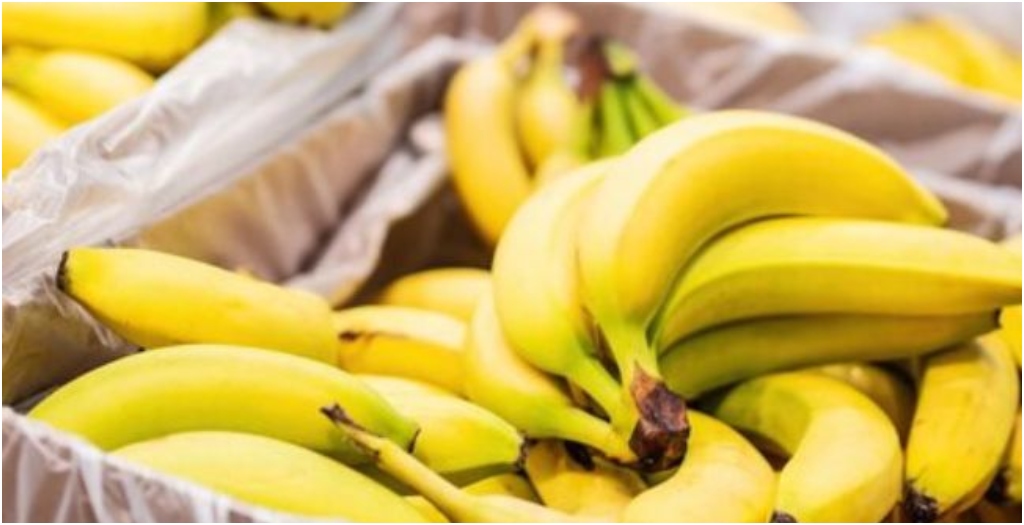
Patna: Bananas are one of the most commonly eaten fruits in India, found in homes, markets and street stalls every day. They are valued for their nutrition, offering a rich source of Vitamin B6, Vitamin C, potassium, magnesium and fibre. Many people rely on bananas as a quick and healthy option for breakfast or snacks, while their natural compounds are believed to support digestion, heart health and even better sleep. However, increasing awareness about artificial ripening has raised an important question: are all bananas sold in the market truly safe to eat?

Food safety experts warn that some bananas are artificially ripened using harmful chemicals to make them look fresh and appealing. According to guidelines by the Food Safety and Standards Authority of India, consumers can identify such bananas with simple observations. If a banana looks bright yellow in the middle but remains green at the top and bottom ends, it may have been chemically treated. This uneven colouring is often a result of rapid ripening using substances that force the fruit to change appearance without fully maturing.
In contrast, naturally ripened bananas usually have a more even colour and show signs of gradual ageing. One key indicator is the stem or neck of the banana. If it has turned dark or black, it suggests the fruit has ripened naturally over time. These bananas are generally considered safer and often taste better because they develop their nutrients and sweetness in a natural way rather than through artificial processes.

The main concern behind artificial ripening is the use of calcium carbide, a chemical that has been banned for this purpose. Health experts say exposure to this substance can lead to stomach pain, irritation, diarrhoea, headaches and dizziness. In some cases, it may also cause throat irritation or breathing discomfort due to the gases released during the ripening process. The Food Safety and Standards Authority of India has strictly prohibited its use and allows only controlled use of safer alternatives like ethylene gas within specific limits.
Authorities say that awareness among consumers is the first step towards safer food choices. By paying attention to simple visual signs while buying bananas, people can avoid chemically treated fruit and protect their health. As food safety concerns continue to grow, making informed decisions at the market has become more important than ever.