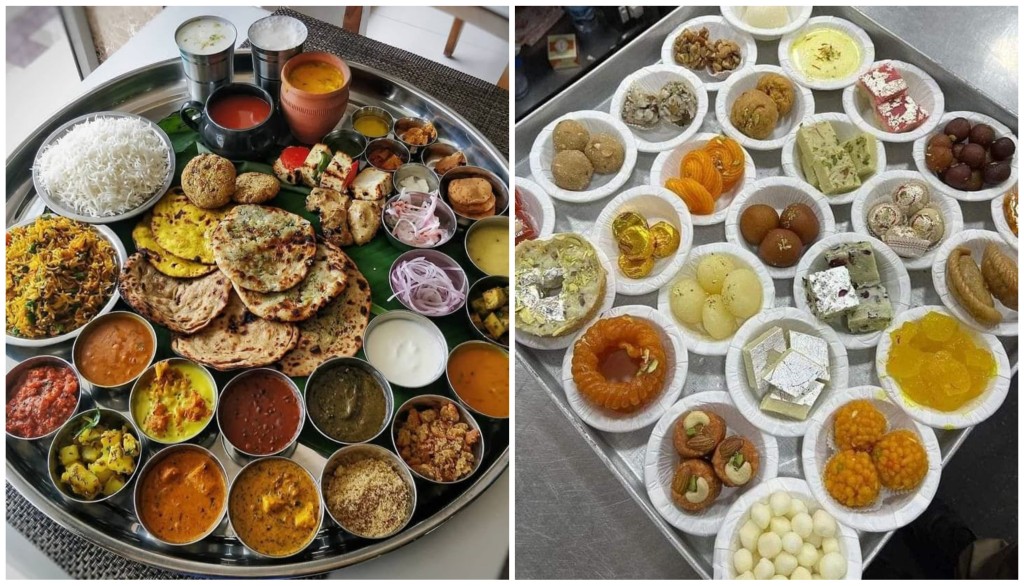
Bihar: The Indian Council of Medical Research (ICMR) has issued a stark warning about the country’s dietary habits, calling the average Indian diet “nutritionally unsafe.” According to the report, Indians consume an alarmingly high amount of carbohydrates—around 65–70% of their daily intake—while protein accounts for only 10%.

The research, conducted by the National Institute of Nutrition, highlights that this imbalance is driving a surge in obesity, diabetes, muscle weakness, and related health problems.
“Indians are eating to satisfy hunger, not to nourish their bodies,” the report noted, adding that popular staples like rice, wheat, and potatoes dominate meals, raising blood sugar levels and metabolic risks.

Widespread Protein Deficiency
ICMR’s findings reveal that an average adult requires about 60 grams of protein daily, but most Indians consume only 35–40 grams. Common sources such as lentils, milk, eggs, and soy are consumed insufficiently, leading to weakened immunity and muscle loss.
Regional food habits also contribute to the imbalance — southern India relies heavily on rice, while northern India depends on wheat, both of which are carb-rich and protein-poor.
Call for Dietary Reform
ICMR has urged Indians to rebalance their meals to include at least 25% protein, 50% carbohydrates, and 25% healthy fats. The report stresses that without immediate dietary correction, the nation could see a rise in chronic illnesses in the coming years.
How to Boost Protein Intake
Experts recommend incorporating both animal-based and plant-based proteins, including:
Animal-based: lean meats, chicken, fish, eggs, and dairy products such as paneer and yogurt.
Plant-based: lentils, chickpeas, beans, soy products (tofu, tempeh), nuts, seeds, and whole grains like quinoa.
Common symptoms of protein deficiency include fatigue, brittle nails, hair fall, swelling, slow recovery from illness, and muscle pain.