
Patna: Despite being one of the world’s sunniest countries, India continues to face a widespread Vitamin D deficiency problem, according to health experts marking Indian Vitamin D Day, observed annually on June 21, the summer solstice.

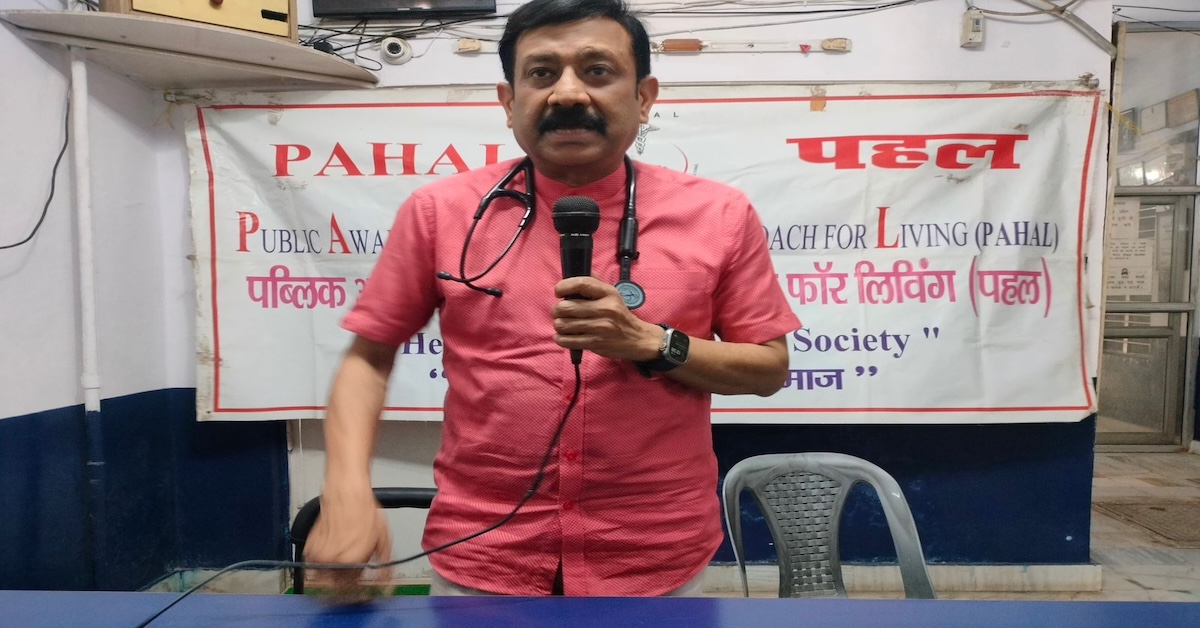
Dr. Diwakar Tejaswi, Medical Director and Senior Physician at PAHAL (Public Awareness for Healthful Approach for Living), said the observance aims to raise awareness about the importance of Vitamin D, the benefits of safe sun exposure and the health risks associated with deficiency.
Lifestyle Changes Driving Deficiency

Dr. Tejaswi attributed the growing prevalence of Vitamin D deficiency to changing lifestyles, prolonged indoor work, reduced physical activity and a tendency to avoid direct sunlight.
He said many people mistakenly associate Vitamin D solely with bone health, overlooking its broader role in maintaining overall wellbeing.
“Vitamin D is essential not only for calcium absorption and strong bones but also for muscle strength, immune function, nervous system health, balance and healthy ageing,” he said.
According to Dr. Tejaswi, adequate Vitamin D levels are important throughout life, supporting bone development in children, physical performance among adults and reducing the risk of falls and fractures in older people.
Deficiency Linked To Multiple Health Problems
The physician warned that Vitamin D deficiency can manifest through a range of symptoms, including persistent fatigue, body aches, bone pain, muscle weakness, frequent cramps and back pain.
Other warning signs may include recurrent infections and delayed wound healing.
Among older adults, deficiency can increase the likelihood of falls and fractures, while severe deficiency may result in serious medical conditions.
In children, prolonged deficiency can lead to rickets, a disorder that affects bone development. In adults, it may contribute to osteomalacia and osteoporosis, both of which weaken bones and increase fracture risk.
Importance Of Safe Sun Exposure
Dr. Tejaswi recommended safe sun exposure for approximately 15 to 30 minutes, three to four times a week, as part of a broader strategy to maintain healthy Vitamin D levels.
He said this should be complemented by a balanced diet and regular physical activity.
For individuals with confirmed deficiency or persistent symptoms, he advised medical evaluation and appropriate supplementation under professional supervision.
Warning Against Self-Medication
The physician cautioned against taking Vitamin D supplements without medical advice, noting that excessive intake can also be harmful.
He stressed the importance of laboratory testing, correct dosage and regular follow-up in cases where supplementation is required.
“People should avoid self-medication and seek professional guidance before starting Vitamin D supplements,” he said.
Call For Greater Public Awareness
On the occasion of Indian Vitamin D Day, Dr. Tejaswi urged people to spread awareness about Vitamin D within their families and communities.
He encouraged individuals to incorporate safe sun exposure into their daily routines and adopt healthier lifestyles to protect their bone health and overall wellbeing.
Health experts say increasing awareness about Vitamin D deficiency remains crucial, particularly as sedentary lifestyles and indoor work continue to become more common across urban India.