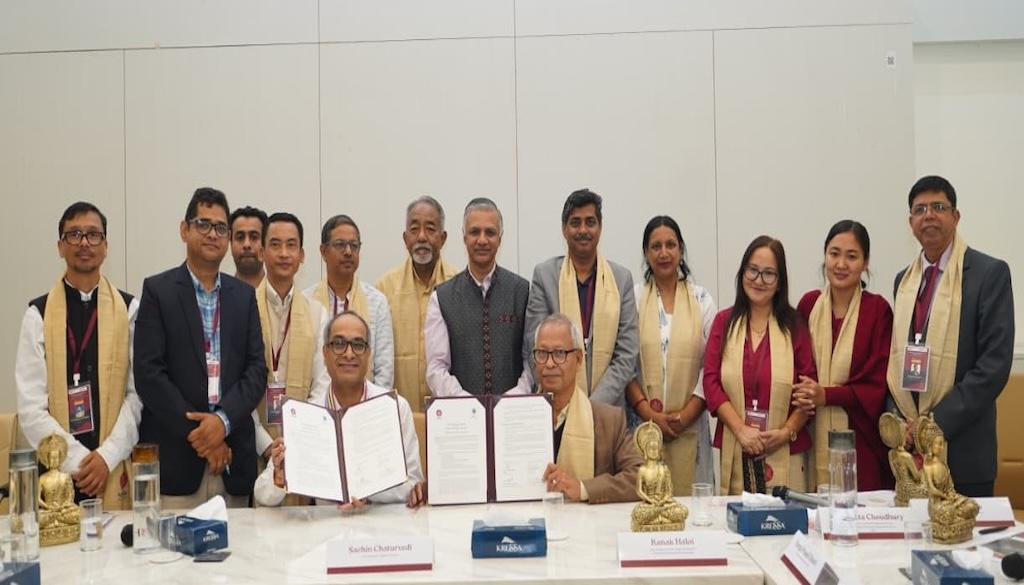
Rajgir: The inaugural edition of the Nalanda Development Dialogue (NDD) concluded at Nalanda University in Rajgir after two days of discussions on sustainable and inclusive development.

The event brought together scholars, policymakers and development practitioners to explore new approaches to development in a rapidly changing global landscape.
The second day of the dialogue began with a special session focusing on north-east India as an example of how localising the United Nations Sustainable Development Goals (SDGs) can promote balanced and inclusive development.

Speakers from the North Eastern Training, Research and Advocacy Foundation (NETRA) highlighted the importance of combining economic growth with ecological conservation, cultural diversity and community well-being in the region.
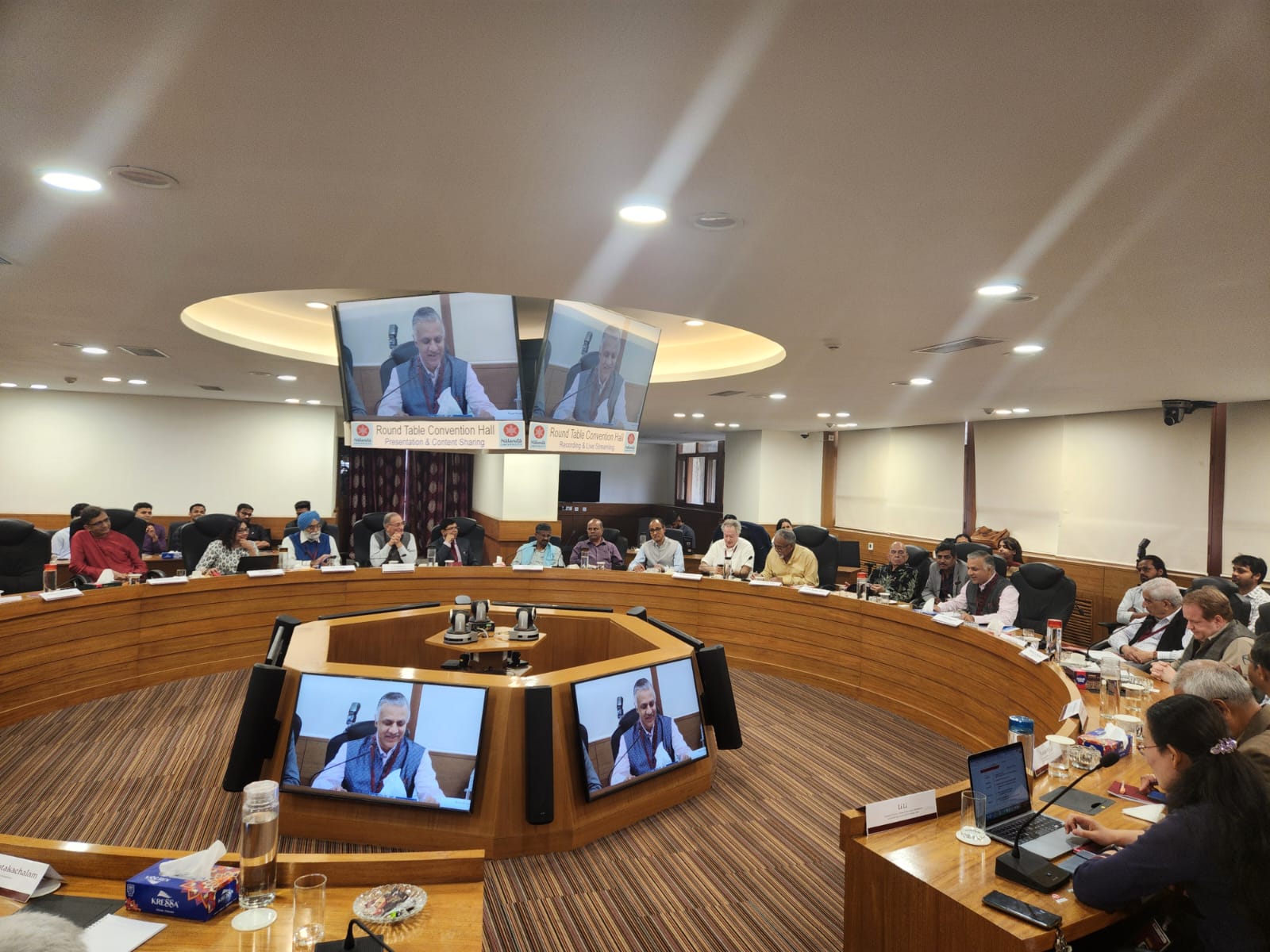
The discussion emphasised the potential of agro-ecology, forest-based enterprises and eco-tourism as sustainable livelihood options. Participants also stressed the importance of strengthening local value chains and expanding physical and digital connectivity.
Improving cross-border connectivity was also discussed as a way to position the north-east as a gateway between India and Southeast Asia.
A key outcome of the session was the signing of a Letter of Understanding between Nalanda University and NETRA to promote collaborative research, policy dialogue and knowledge exchange on sustainable development issues, particularly in the north-east.
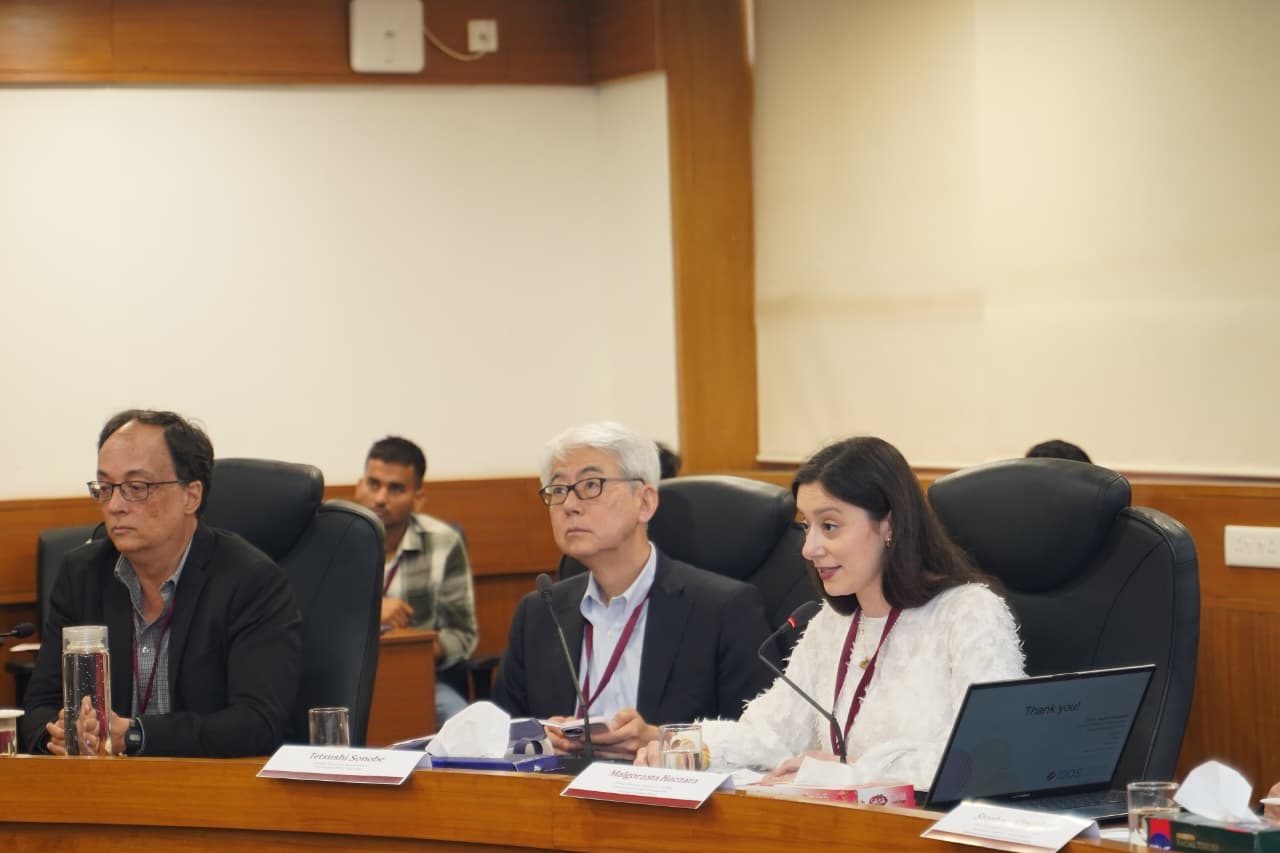
The agreement was signed on behalf of NETRA by Kanak Haloi, a retired professor and former head at the National Institute of Rural Development and Panchayati Raj, and Jayanta Choudhury, professor and head of the department of rural development and planning at Nagaland University.
The closing session of the dialogue was chaired by Nalanda University vice-chancellor Professor Sachin Chaturvedi, who reflected on the broader themes discussed during the two-day event.
Chaturvedi said the discussions highlighted how the global development landscape is undergoing significant transformation and stressed the need to move beyond narrow economic indicators.
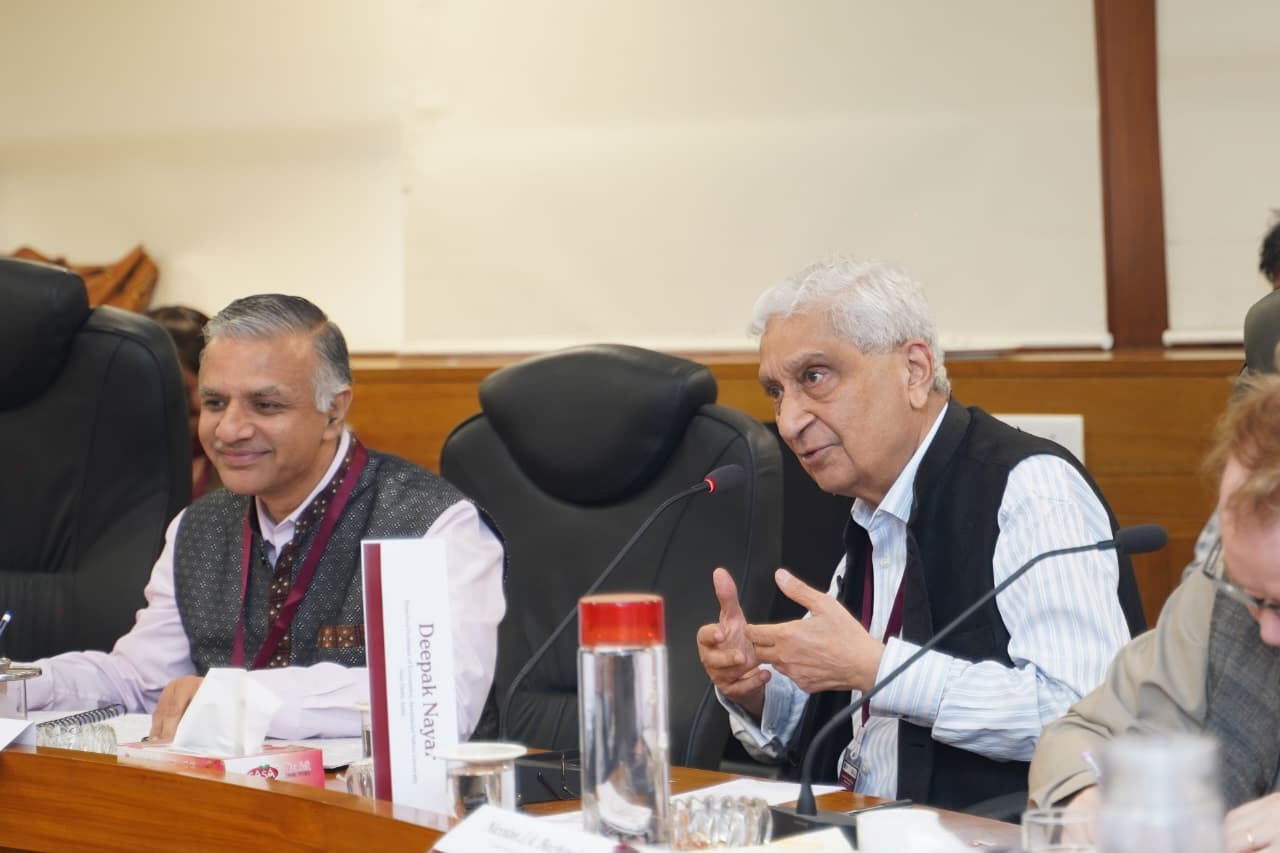
He said future development models must focus more strongly on human well-being, social equity, environmental sustainability and resilient institutions.
Chaturvedi also emphasised the importance of deeper collaboration between academic institutions, policymakers and international partners in addressing global challenges.
He added that Nalanda University would continue to serve as a platform for dialogue and partnerships aimed at building a more balanced, inclusive and resilient global development framework.