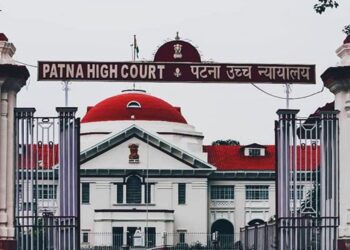
Patna: The Patna High Court has quashed a prohibition violation case from Madhepura district and issued a strong reminder to trial courts across Bihar to follow due process in all liquor-related cases. The ruling came in Case No. 69/2021 from Singheshwar police station, involving petitioner Shamsher Bahadur.

A single bench led by Justice Arun Kumar Jha observed that prohibition cases require heightened judicial scrutiny, as “even minor procedural errors can convict innocent individuals.” The court held that no one can be convicted of alcohol consumption based on “suspicion” or superficial medical observation, emphasising that only scientific testing can establish guilt.
Citing Supreme Court precedents, the bench said breathalyser results or blood and urine tests are mandatory to substantiate allegations of drinking under Bihar’s prohibition law.

Trial court faulted for ignoring prescribed procedure
The High Court found that the trial court failed to record the accused’s statement in Form VI-A, as required under Rule 18, and did not issue an order in Form VII — both of which are compulsory procedural steps. It also noted that the accused had paid the fine under coercion or incorrect advice.
The Registrar General of the High Court has been directed to circulate the order to all trial courts to ensure compliance with the proper legal procedure.
What the case involved
Shamsher Bahadur and another individual were arrested on 25 March 2021 on allegations of alcohol consumption. The petitioner said police neither conducted a breathalyser test nor collected blood and urine samples. Instead, the case was filed solely on the basis of a doctor’s recommendation.
The trial court ordered the petitioner to pay a Rs 2,000 fine and sentenced him to one month of simple imprisonment in case of default. The High Court has now dismissed the case entirely.
Counsel for the petitioner argued that Bahadur never admitted guilt but paid the fine to put an end to the matter. The High Court agreed, noting that the record wrongly implied an admission of guilt despite the accused declaring his innocence.
The ruling reinforces that procedural safeguards must be strictly followed in prohibition cases to avoid miscarriages of justice.