
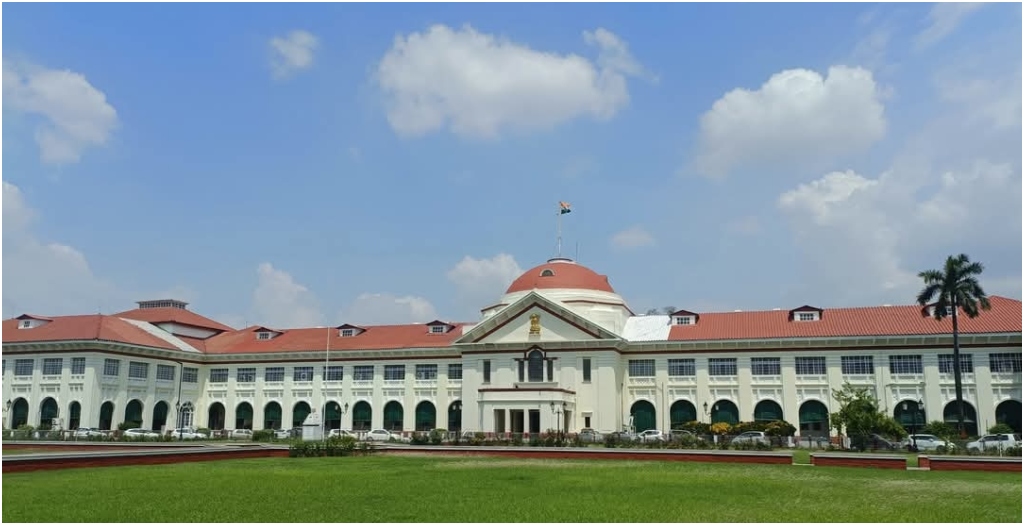
Patna: The Patna High Court has decided that all cases listed before its Vacation Bench during the summer recess will now be heard only through virtual mode. The new arrangement will begin on May 18 and continue until June 4. The decision comes after directions from the Supreme Court of India and aims to make court proceedings more efficient during the summer break. The High Court administration has also released a detailed standard operating procedure to guide advocates, litigants and court staff during this period.

According to the new guidelines, all cases taken up by the Vacation Bench on working days will be heard through video conferencing only. Courtroom links for joining the hearings will be published daily in the cause list. The High Court has made e-filing compulsory for all matters during this period, meaning all petitions and applications must be submitted online. Lawyers and their clerks have also been advised to avoid unnecessary visits to the court campus and reduce their physical movement inside the premises. The move is expected to make legal proceedings smoother while keeping court functioning uninterrupted during the vacation.
The SOP allows advocates and litigants to attend hearings from their homes or offices, but joining from a moving vehicle will not be allowed. The court has made it mandatory for advocates to appear in full professional dress during virtual hearings, just as they would in a physical courtroom. Cameras must remain switched on throughout the proceedings. The administration has made it clear that if any advocate fails to follow the dress code, the court may refuse to hear the matter. It has also said that no one will be allowed to record the court proceedings, and only authorised advocates will be permitted to address the bench during hearings.

The High Court has also allowed advocates to mention urgent cases before the concerned Motion Bench through video conferencing. This means lawyers can raise urgent matters without physically appearing before the court. To avoid technical problems, court masters and technical assistants have been instructed to ensure all online systems are fully functional before 8am every working day. The decision shows how digital hearings have become a regular part of the judicial system, even during official court recess, making access to justice possible without requiring everyone to be physically present in court.