Patna: The Patna Municipal Corporation (PMC) is preparing to enter the capital markets with a municipal bond issue aimed at financing infrastructure development and expanding civic amenities for a city of nearly three million people.

Municipal commissioner Yashpal Meena said the bond issuance process is expected to begin in April, with plans to list the bonds on the National Stock Exchange and the Bombay Stock Exchange by August. The corporation is targeting to raise approximately Rs 200 crore, which officials say will provide a stable investment option while strengthening the PMC’s financial independence.
The move marks a significant shift in how the civic body plans to fund urban development, reducing its dependence on grants from the state and central governments. According to officials, proceeds from the bonds will be used to improve water supply systems, upgrade road infrastructure and enhance sanitation services across the city.

The PMC is currently completing procedural requirements for the bond issue. A dedicated bond issuance committee, chaired by the municipal commissioner, will be constituted to oversee the process. The committee will decide the structure of the bonds, appoint intermediary agencies, finalise agreements and set the terms and conditions of the issuance.
Preparatory work has included exposure visits to cities that have already accessed capital markets. In December, a delegation of senior Bihar government officials, led by Meena, visited Mumbai and Nashik. On December 17, the delegation held discussions at the NSE headquarters on fund-raising options through the capital market, followed by meetings with officials of the Nashik Municipal Corporation to understand the mechanics of issuing municipal bonds.
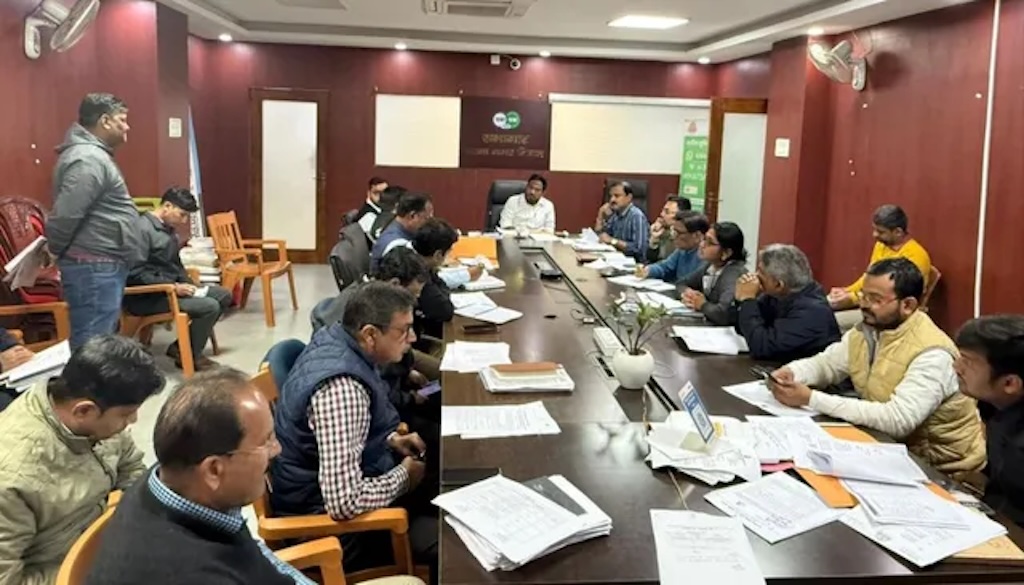
Meena recently reviewed progress on the proposal with senior officials, describing the bond issue as a step towards turning Patna into a modern and financially empowered metropolis. The PMC’s standing committee has already approved the proposal, and it is scheduled to be placed before the municipal council at its 10th ordinary meeting on February 7.
Issuing municipal bonds involves multiple stages of regulatory and financial scrutiny. The process begins with approval from the state government, which assesses the civic body’s financial health. This is followed by audits and fiscal reforms, including proof of stable revenue streams such as property and water taxes. A credit rating from a SEBI-recognised agency is then required, with an ‘A’ rating or higher generally considered necessary.
Once these steps are completed, the corporation can finalise the bond’s structure, including its tenure, interest rate and whether it will be taxable or tax-free. Bengaluru was the first municipal body in India to issue municipal bonds, a model that several cities, including Patna, are now seeking to follow.