Patna: No city or neighbourhood acquires its name by accident. Each carries echoes of the past, shaped by local legends, rulers, and the rhythms of daily life. Patna, one of India’s oldest cities, is no exception. Behind the familiar names of its localities lie stories that trace the city’s journey from ancient capitals to modern neighbourhoods.

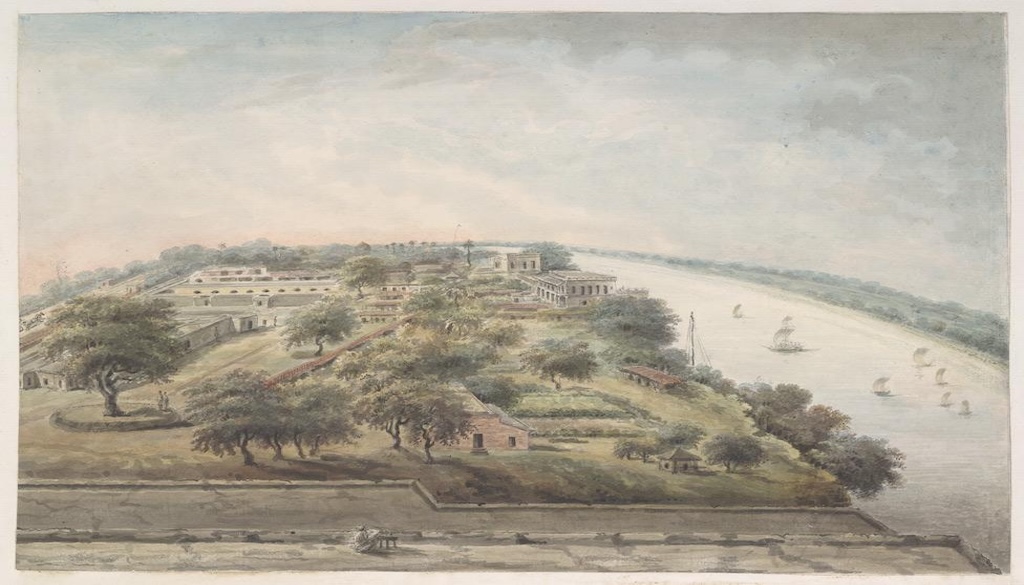
The city itself has worn many names. Known in antiquity as Pataligram, after the patali trees that flourished there, it became Pataliputra when it grew into a major centre. In 1704, Mughal emperor Aurangzeb renamed it Azimabad at the request of his grandson, Governor Muhammad Azim. Over time, however, the older name returned, evolving into Patna, derived from pattan, the stopping place for ships along the Ganga’s broad ghats.
Some localities owe their names to practical beginnings. Boring Road, now among Patna’s busiest stretches, was named after the city’s first water boring, carried out near A.N. College. Makhaniyan Kuan, close to Patna Hospital, recalls the days when butter sellers gathered at a well there to ply their trade.

Others reflect landscapes long vanished. Gulzarbagh and Gardanibagh were once home to sprawling gardens. The latter, legend says, was also inhabited by a tribal community known as the Gardnias, feared for looting and ambushing travellers.
Patna’s streets remember individuals too. Chhajjubagh, near Gandhi Maidan, honours Chhajju Mali, the gardener who tended its historic gardens; his tomb still stands today.
Trade and power shaped names as well. At Malsalami, merchants once paid salami (tax) on their goods at the customs house of Patna City. To the south-east, Badi Pahadi and Chhoti Pahadi take their names from Buddhist stupas built during the reign of Emperor Ashoka.
Together, these names form a living archive, reminding Patna’s residents that the city’s history lies not only in its monuments but also in the words spoken every day to describe where they live.