Patna: Patna is set to emerge as a key hub for inland water transport, with work being fast-tracked on a ship repair centre and the preparation of a water metro system on the Ganges, according to the state transport department.

The transport minister said a detailed project report (DPR) for a Patna water metro—on the lines of the Kochi Water Metro—is being prepared by RITES at an estimated cost of Rs 1,200 crore. The project includes the construction of jetties, development of terminals and the procurement of vessels.
Once the tender process is completed, the plan proposes to induct 22 hybrid vessels for regular ferry services linking Patna with nearby river ghats. Officials said the vessels are designed to operate in water depths as shallow as one metre, allowing year-round services even during lean seasons.

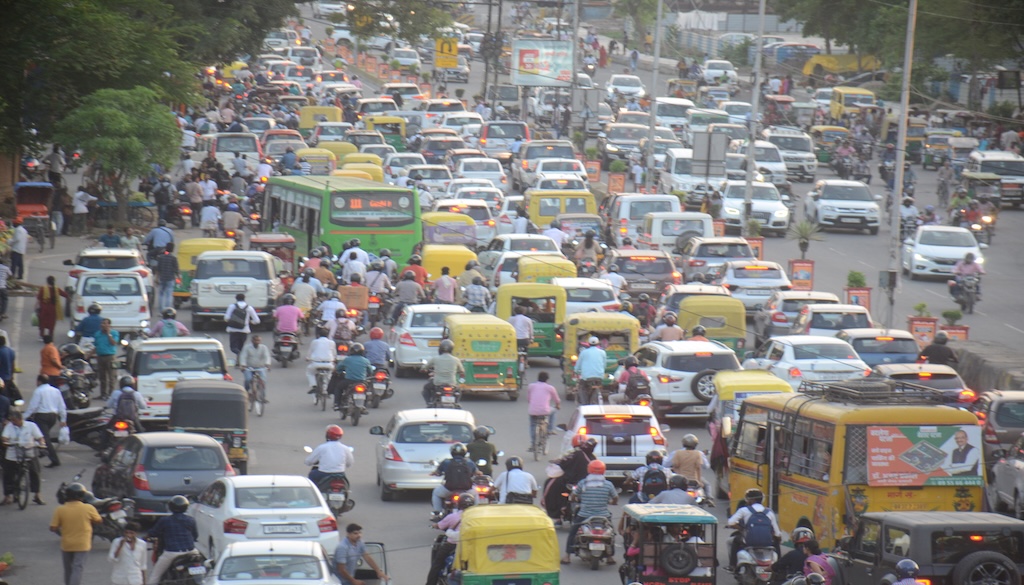
Trial runs of an electric-hybrid water metro are already under way, with another vessel expected to arrive soon. The services are planned to operate between Kangan Ghat, Gaighat, Gandhi Ghat, Digha Ghat, Farrakka Mahto Ghat, Nariyal Ghat, Panapur, Konhara Ghat, Kali Ghat (Sonpur) and Chhechhar Ghat, offering commuters a low-cost alternative to congested road travel.
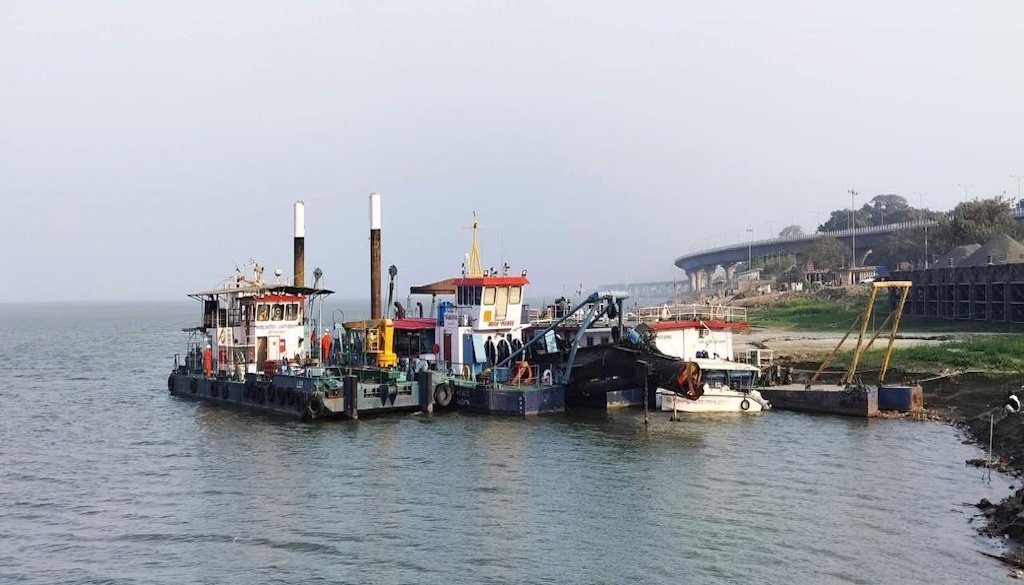
Alongside the metro, the Inland Waterways Authority of India (IWAI) has expedited the tender process for a ship repair centre in Patna, with technical bids scheduled to be opened on February 10. The facility is estimated to cost Rs 243.20 crore and is targeted for completion within 24 months of construction beginning.
At present, the only ship repair facility on National Waterway-1 is located in Kolkata, forcing vessels operating on the Ganges to travel long distances for maintenance. Officials said the Patna centre would significantly reduce downtime and operational costs.
The Bihar government has already allotted around 20,000 square metres of land on the southern bank of the Ganges for the project. The proposed facility will include infrastructure for repairing mechanical, electrical and heavy equipment, strengthening the state’s inland navigation ecosystem.
The transport minister described the central government’s approval as a far-sighted step that recognises Bihar’s untapped river transport potential, adding that the combined projects would improve connectivity, cut travel costs and reinforce the strategic importance of the Ganges as a transport corridor.