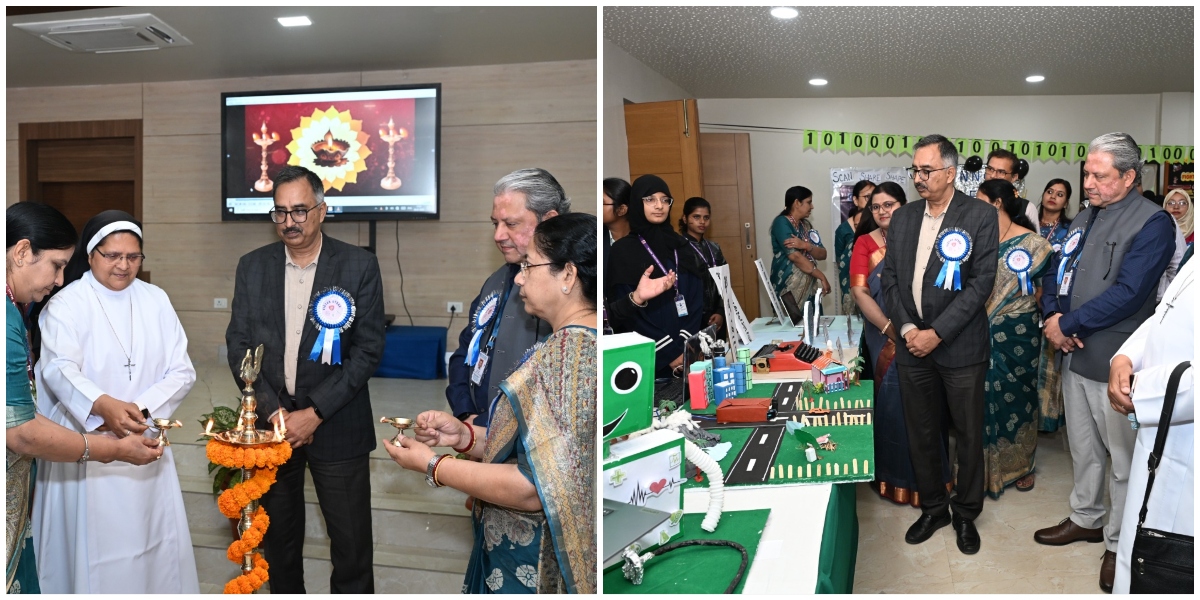
Patna: A two-day science festival focusing on artificial intelligence and sustainability began on Thursday at Patna Women’s College, organised in collaboration with Vigyan Club as part of National Science Day celebrations. The event, titled Vigyan Utsav 2026, is centred on the theme “AI-Powered Science for Sustainable Development and Viksit Bharat 2047”.

The inaugural session opened with a ceremonial welcome by principal Dr Sister M Rashmi AC, who stressed the importance of AI-driven innovation in addressing global challenges while promoting scientific temper and critical thinking among students. Dr Shobha Shrivastava, convenor of the festival and dean of the faculty of science, outlined the objectives of the programme and highlighted the growing role of interdisciplinary research combining artificial intelligence with sustainable development goals.
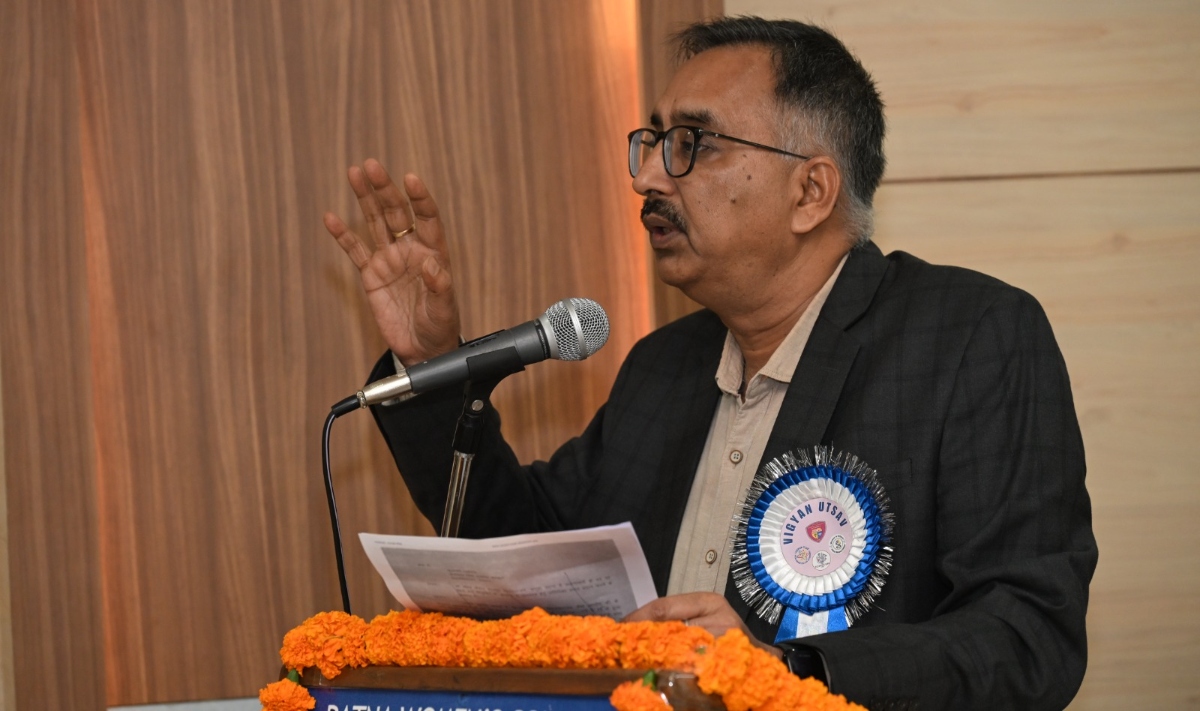 Addressing students as chief guest, Prof (Dr) N K Agrawal, director of higher education in the state government, encouraged innovation, perseverance and research-oriented learning aligned with emerging technologies and national priorities.

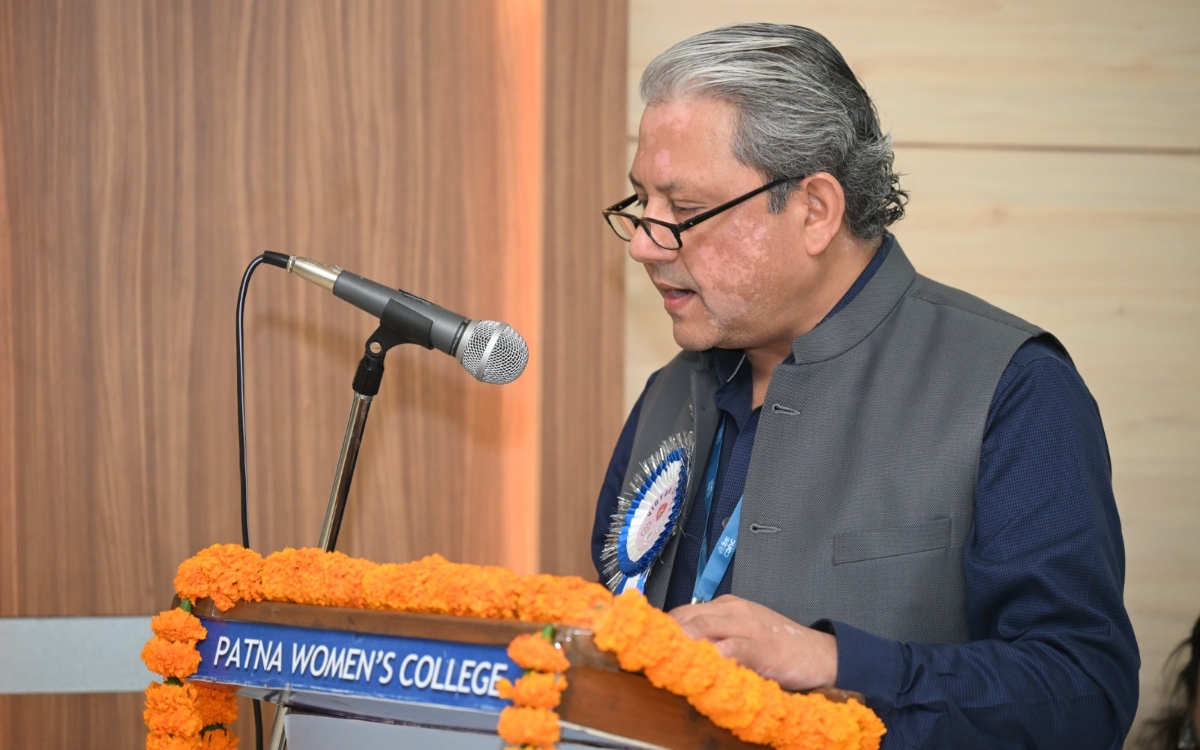 Guest of honour Shri Abhinav Dixit, scientist ‘G’ and centre head at CDAC Patna, spoke about the expanding influence of AI and data science, urging young women to develop scientific temperament and contribute to nation-building.
The festival introduced several competitions scheduled across the two days, including AI Bharat (model making), SurviAI (startup ideas), DigiPoster (e-poster), RoboRhythm (AI-thematic dance), AITales (prompt engineering and storytelling), and AI Brain Blitz (quiz). Organisers said the events reflect strong interdisciplinary participation from science departments.
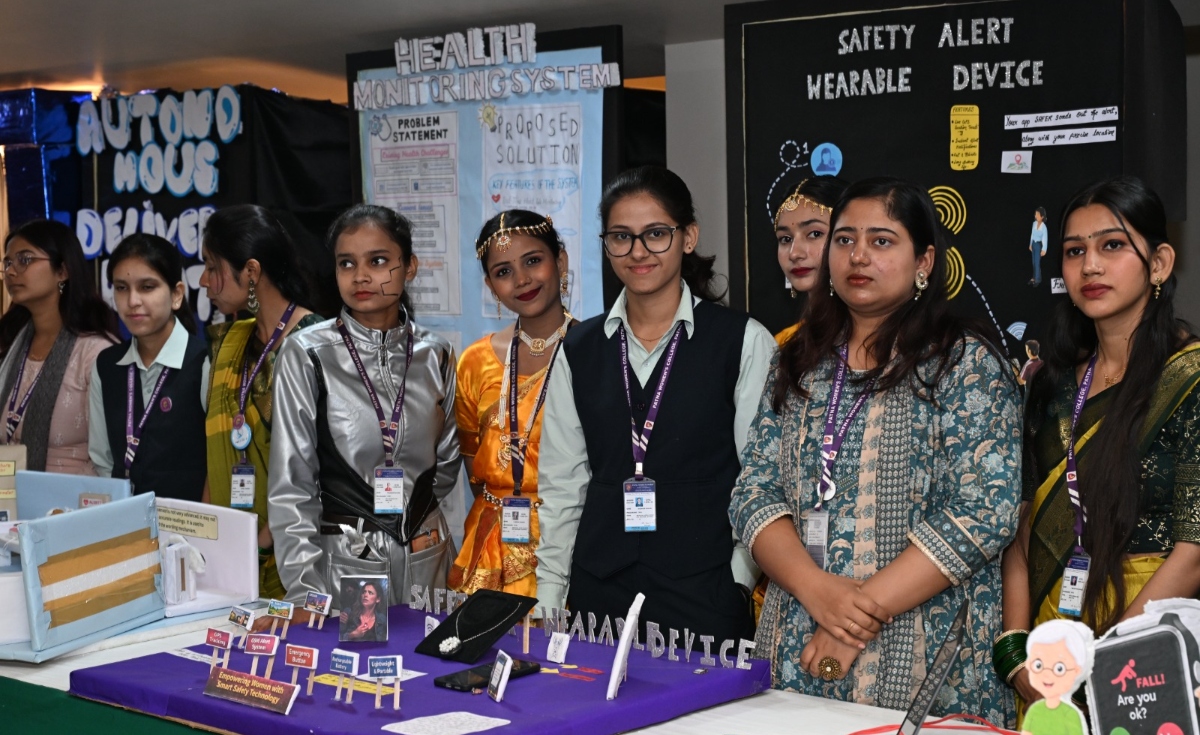 A key attraction of the inaugural day was the Inno AI Expo 2026, jointly hosted by the departments of artificial intelligence and machine learning and data science and analytics. The exhibition featured student-developed AI models addressing real-world challenges, including an air-quality monitoring system using PM2.5 and DHT sensors for real-time environmental analysis and Healix, an AI-powered health counselling chatbot designed to provide preliminary guidance and awareness. Students also demonstrated interactive AI-based games showcasing applied machine learning and technical creativity.
The programme was moderated by faculty members Dr Hena Naaz and Dr Swetnisha, while the vote of thanks was delivered by Ms Poonam Abraham Lakra. Coordinators said enthusiastic participation from faculty and students marked a strong start to the festival, which aims to foster innovation, entrepreneurship and technology-driven research among young learners.