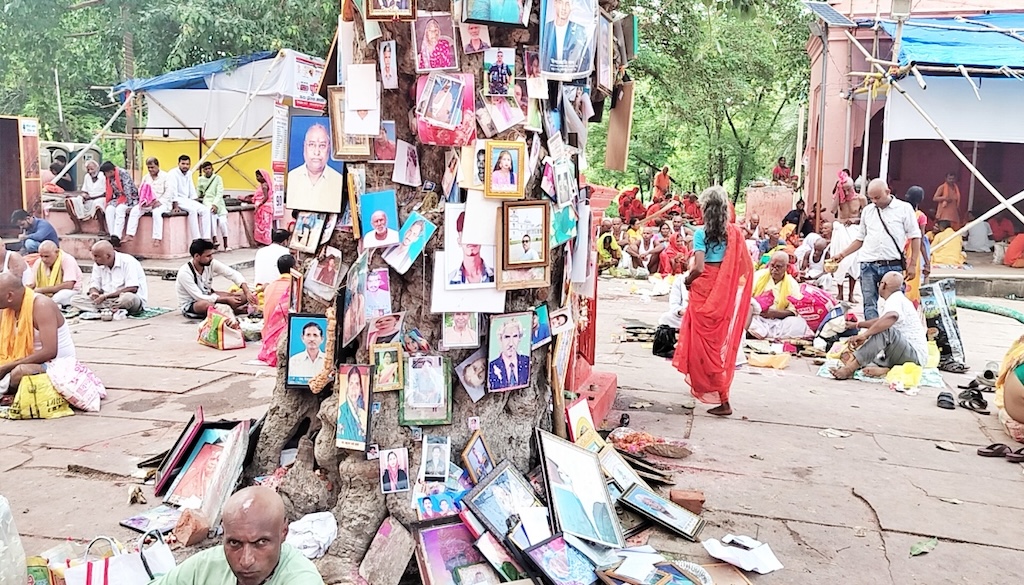
Gayaji: Eight kilometres from Gaya town, the sacred landscape of Pretshila rises steeply, its 676 stone steps leading pilgrims to what locals call the threshold between the ghost world and liberation. Halfway up, a great banyan tree stands, its sprawling branches heavy not only with leaves but with thousands of framed photographs—faces of children, youth and elders who met untimely deaths.

For devotees arriving during Pitru Paksha, the fortnight-long festival of ancestor worship, the sight is both haunting and consoling. Each photograph is believed to tether a restless spirit to the banyan until the soul can find release. Priest Santosh Giri, whose family has tended the rituals for generations, says more than 15,000 photos have already been hung in just one week this year. By the close of Pitru Paksha, the number will surpass one lakh.
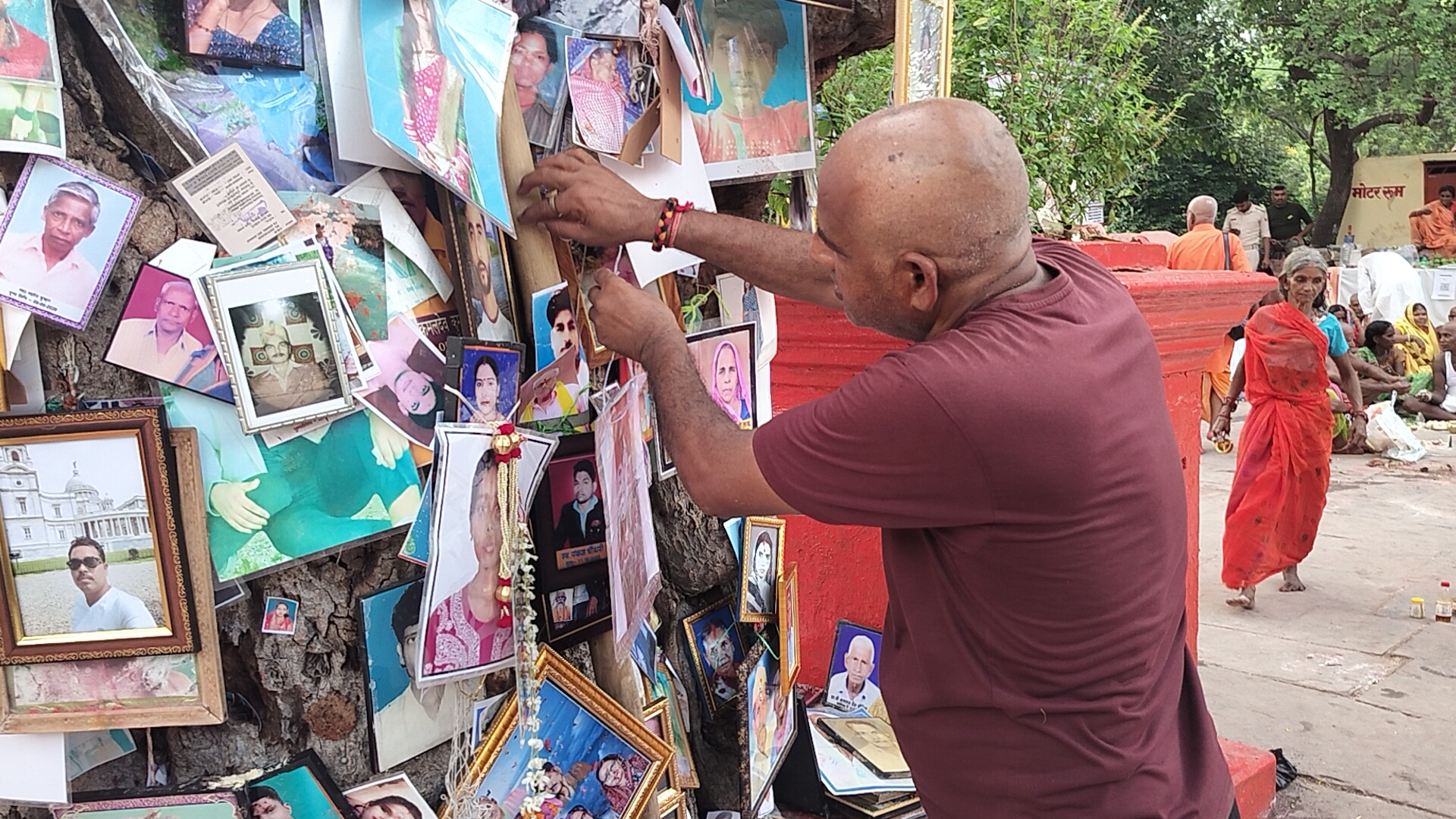

“The banyan is the resting place for those who never reached Brahma’s altar,” says Giri, gesturing to the gnarled trunk draped with portraits. “Here, fathers hang the photos of sons lost in accidents, and mothers tie ribbons to frames of daughters taken too soon. The tree becomes their shelter until liberation.”
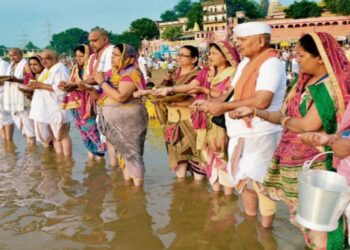
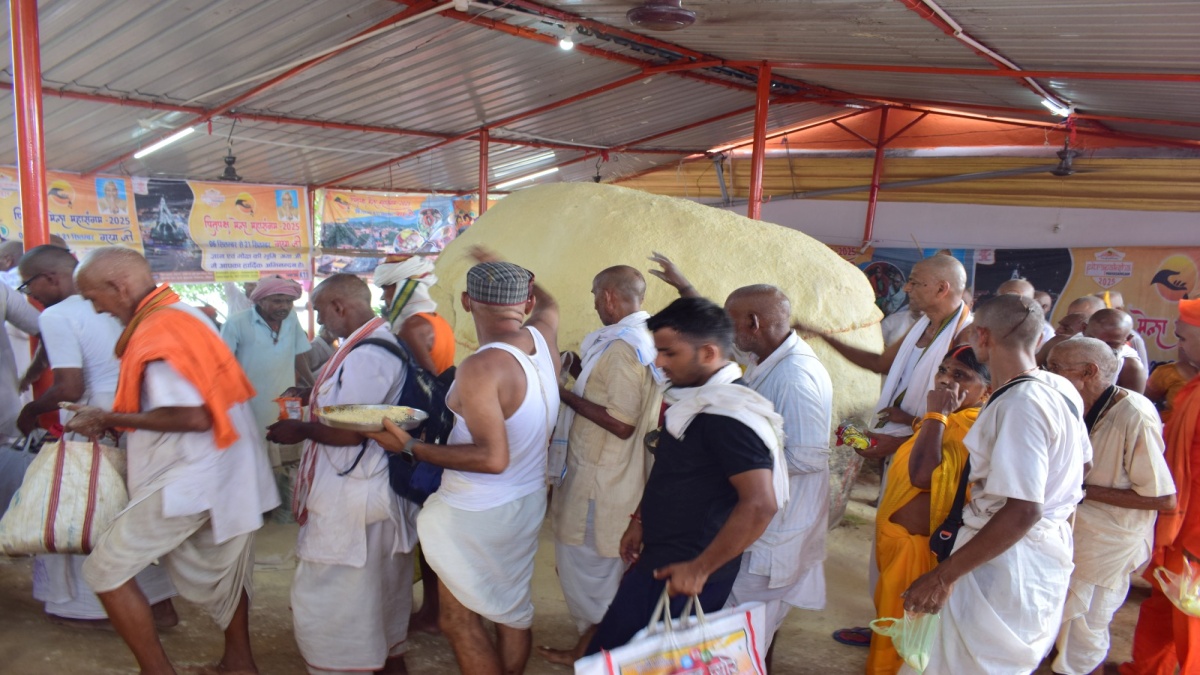
The rituals at Pretshila are layered in myth and grief. Pilgrims blow sattu mixed with sesame seeds on the rock’s altar, believing the grain feeds the spirits trapped in the ghost world. Some bury photographs at Brahma Charan, the sacred footprint etched into the hill, while others leave donations ranging from a single rupee to lakhs, offerings meant to ease ancestral suffering.
Local lore holds that no one ascends the mountain after dusk. Residents whisper that voices of the untimely dead echo through the rocky hollows, reminders of lives interrupted. “The ancestors who die unnaturally remain in these stones,” says Pandit Munna Giri. “Only through pinddaan here can they cross into Vishnulok.”
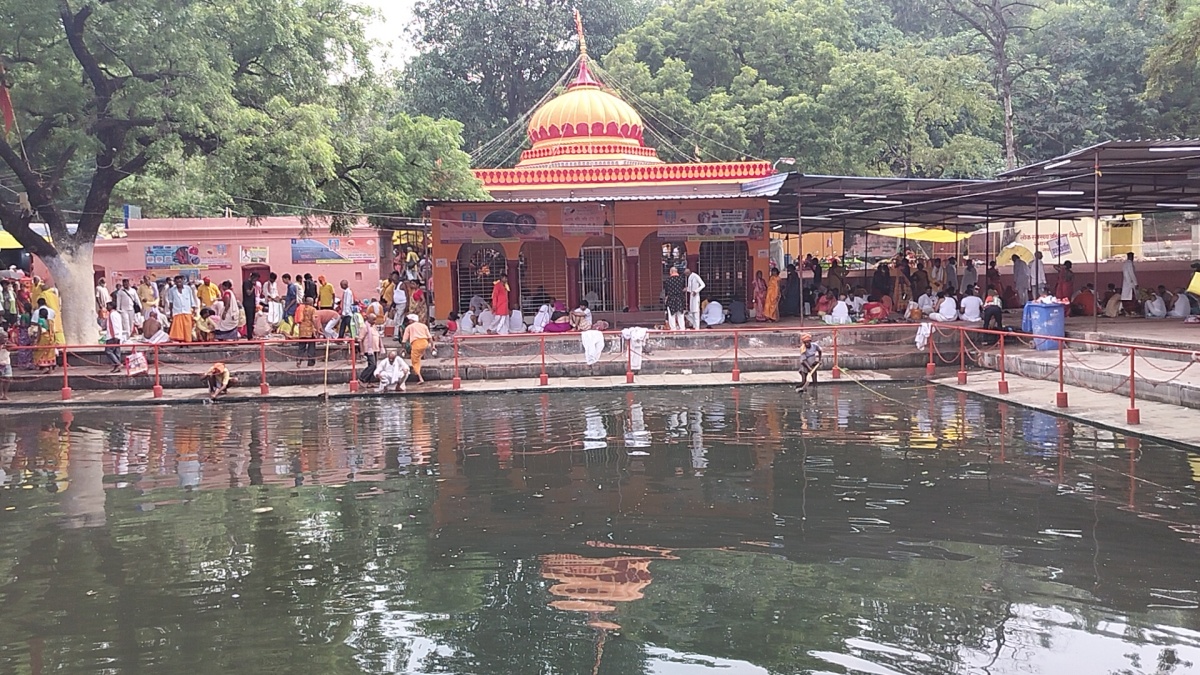
Despite the weight of sorrow, the hill thrums with devotion. Devotees climb with trembling hands and photographs tucked close to their chests, determined to grant peace to those denied a natural passing. “My client’s father died in a road accident,” says Vijay Kumar Pathak, a pilgrim. “Now his photo rests here. We believe he will no longer wander, but finally reside in Vishnulok.”
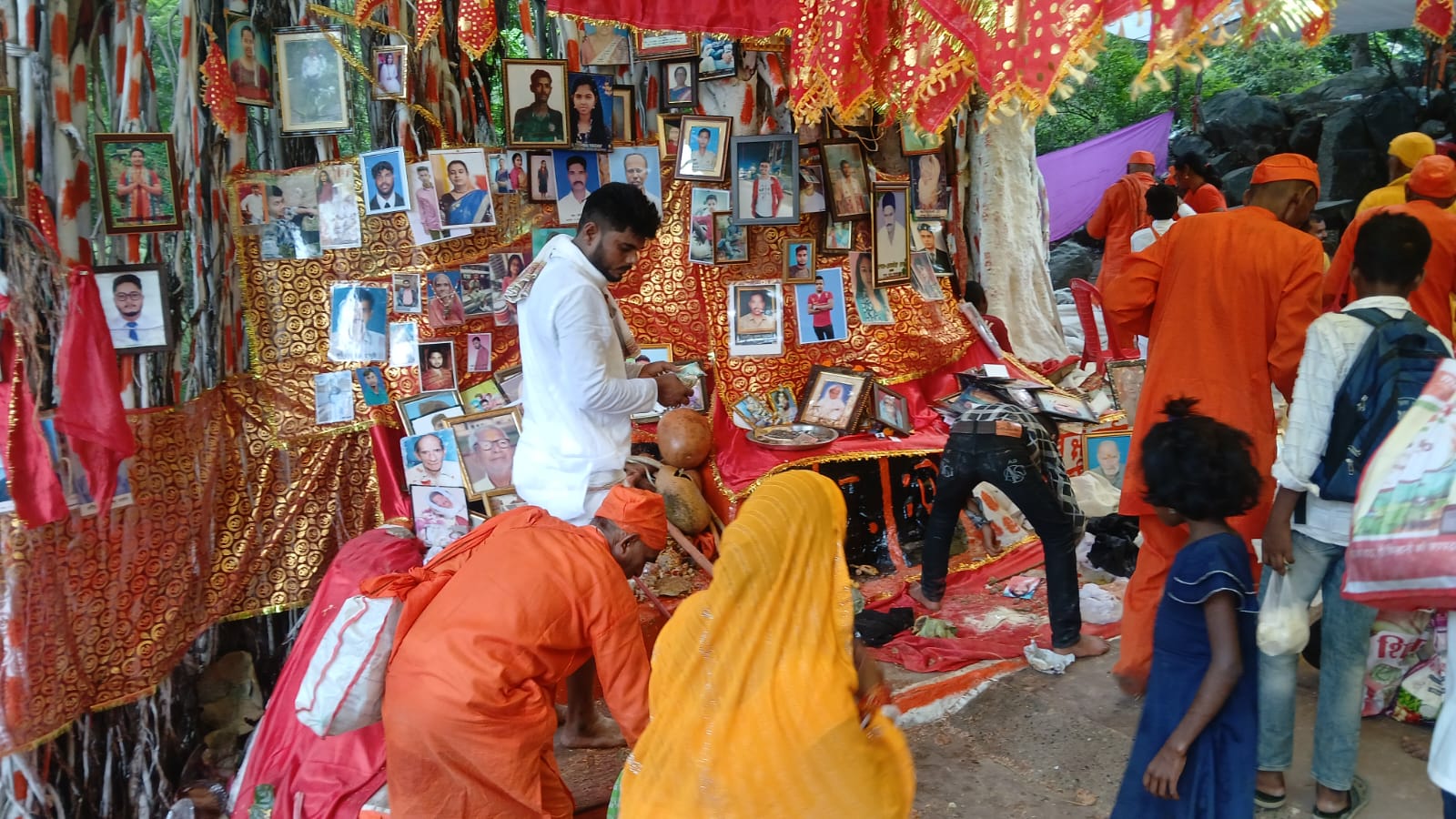
Every year, the photographs are eventually buried or immersed during Chait Ganga Dussehra, returning the souls to the river and sky. Until then, Pretshila’s banyan tree sways with silent faces, turning the hill into a shrine of grief, faith and spectral presence—a place where the living and the dead still meet.