Patna: Vegetables grown in and around the state capital are raising serious public health concerns after an investigation revealed that many farms are using sewage and industrial waste water for irrigation. The practice, reported from areas such as Digha, Pahari, Fatuha and Danapur, has sparked fears that contaminated vegetables may be exposing consumers to serious diseases.

An investigation found that vegetables in these areas are being irrigated directly with water from drains carrying sewage and industrial waste. Experts warn that such polluted water not only degrades soil quality but also introduces harmful substances into vegetables that eventually reach consumers’ plates.
Scientific Study Detects Heavy Metals

A study conducted by the Department of Environmental Science at the Central University of South Bihar has reported alarming findings. According to research by Dr N. L. Devi and Aakriti Ashesh, commonly consumed vegetables such as cabbage, spinach and tomatoes collected from markets in Patna and Gaya contained levels of heavy metals such as lead and cadmium far above permissible limits.
Researchers noted that these toxic metals penetrate deep into plant tissues and cannot be removed even after washing or boiling the vegetables.
Health Risks from Contaminated Produce
Medical experts say prolonged exposure to heavy metals through food can lead to multiple health problems.
Heavy metals and microplastics are believed to disrupt hormonal balance, potentially affecting fertility. Long-term intake of cadmium has also been linked to an increased risk of cancer. In addition, accumulation of such metals in the body can cause permanent damage to vital organs such as the liver and kidneys.
Professor Ajay Kumar, Head of the Medicine Department at Nalanda Medical College and Hospital, warned that areas where sewage water is used for irrigation are reporting unusually high cases of typhoid, hepatitis A and worm infections.
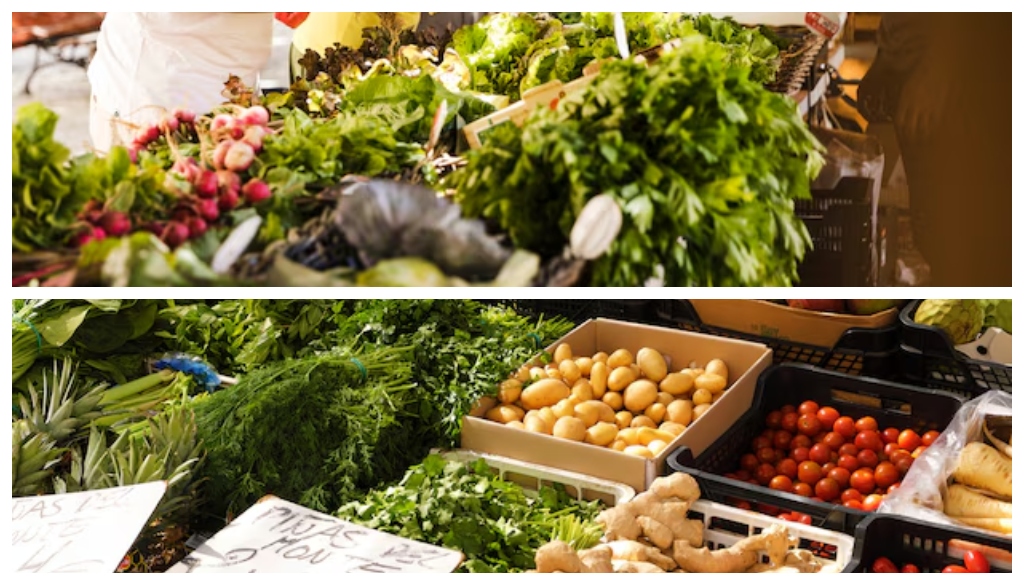
He added that the greatest risk comes from vegetables like carrots, radish, tomatoes and coriander leaves that are often eaten raw as salad or chutney.
Global Studies Echo Similar Concerns
Several international and national studies have also highlighted the health risks posed by contaminated agricultural produce. A report cited by the World Health Organization and published in The Lancet noted that exposure to lead and cadmium can reduce sperm count in men by up to 40 percent.
Research by the Indian Council of Agricultural Research in 2021 found that sewage irrigation may make vegetables appear greener and larger but can also increase the concentration of carcinogenic elements such as nickel and chromium.
A 2022 report by the National Environmental Engineering Research Institute found that root vegetables such as potatoes and radishes absorb heavy metals more readily, raising the risk of kidney damage.
Meanwhile, tests conducted by the Food Safety and Standards Authority of India in 2024 revealed that around 25 percent of vegetable samples from markets contained pesticide residues beyond safe limits.
Monitoring Gaps Raise Concerns
Officials acknowledge that monitoring mechanisms remain weak. According to authorities, there is currently no dedicated system for testing irrigation water used in vegetable farming. Similarly, laboratories for routine pesticide testing in local wholesale markets are limited.
District Food Safety Officer Ajay Kumar said vegetables that appear unusually shiny and attractive often contain higher levels of pesticides.
Supply Chain to City Markets
Vegetables grown in areas such as Digha and Pahari are transported directly to major wholesale markets in Patna, including Anta Ghat Mandi and Mithapur Mandi, from where they are distributed across the city.
Health experts have urged consumers to exercise caution by thoroughly cleaning vegetables before cooking and avoiding produce that appears excessively glossy or out of season. They also recommend soaking vegetables in warm salt water or vinegar solution for 15 to 20 minutes before cooking to reduce surface contaminants, though this may not remove heavy metals already absorbed by the plants.