Gopalganj: The Bhore Assembly constituency in Bihar’s Gopalganj district is set for a fierce battle in the upcoming 2025 elections, as the Janata Dal (United) seeks to retain control in a region long seen as a Rashtriya Janata Dal (RJD) stronghold.

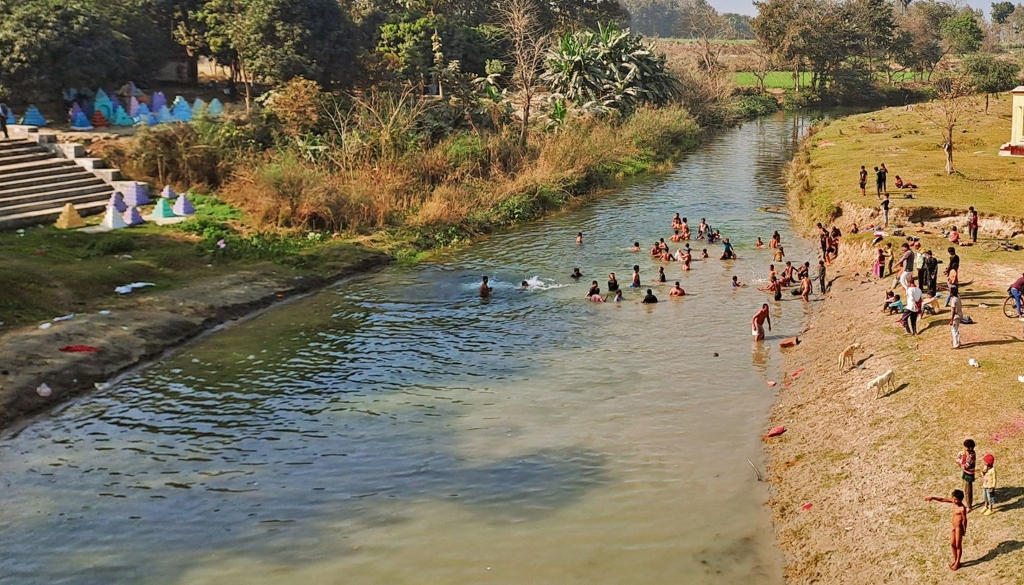
Situated in northwestern Bihar, bordering Uttar Pradesh, Bhore forms part of the Gopalganj Lok Sabha constituency and is reserved for Scheduled Castes (SC). Its geographical position in the fertile Gandak River valley gives it a strong agricultural identity, with rice, wheat, maize, and sugarcane being the dominant crops. While small rice mills and brick kilns operate in the region, large-scale industrial development remains limited.
A seat with history and symbolism

Constituted in 1957, the Bhore Assembly constituency encompasses the Bhore, Kateya, and Vijayipur blocks. Local folklore links its name to Bhurishrava, a warrior king from the Mahabharata. Since its formation, Bhore has witnessed 16 assembly elections, with shifting political loyalties reflecting Bihar’s broader electoral trends.
The Congress has won the seat eight times, while the Janata Dal, Bharatiya Janata Party (BJP), and RJD have each secured two victories. The Janata Party and JD(U) have won once each. In the 2020 elections, JD(U) narrowly edged out the RJD by fewer than 500 votes, underscoring the constituency’s competitive nature.
Demographics and voting patterns
According to Election Commission data from 2024, Bhore has a population of 604,058, including 308,476 men and 295,582 women. There are 362,491 registered voters—183,726 men, 178,752 women, and 13 third-gender voters—indicating near parity between male and female participation.
Caste composition remains the defining factor in Bhore’s electoral landscape. As an SC-reserved constituency, Dalit voters play a decisive role. Yadavs make up around 12.5% of the population, while Muslims constitute approximately 11.1%. Despite Gopalganj being the home district of RJD chief Lalu Prasad Yadav, both the RJD and JD(U) maintain influence among Muslim voters, keeping the contest closely fought. The BJP, meanwhile, has a limited yet persistent organisational presence, particularly in the outskirts.
Development versus identity politics
While local residents routinely voice concerns about development, roads, irrigation, education, and healthcare, electoral outcomes in Bhore continue to be shaped by caste and community alignments. The JD(U) currently holds the seat, but voter sentiment appears volatile ahead of the 2025 polls.