
Patna: Bihar is preparing to introduce a new higher education model aimed at strengthening employment opportunities and improving industry readiness among graduates. The state will soon launch the Apprenticeship Embedded Degree Programme (AEDP), a four-year undergraduate course designed to integrate academic education with practical workplace experience.

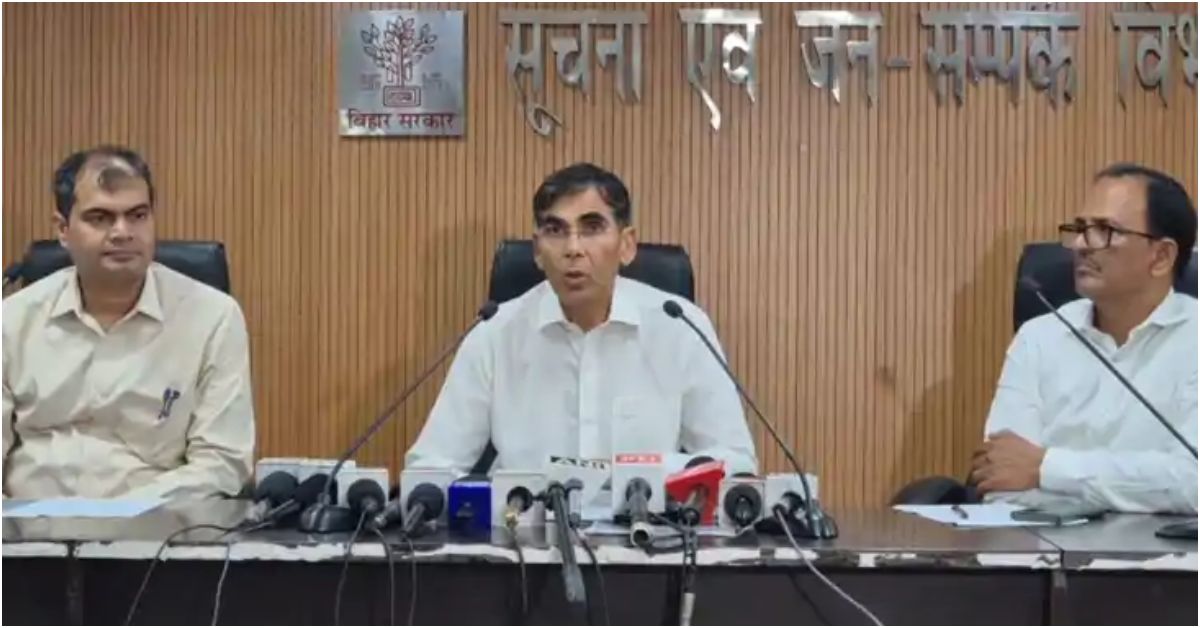
The programme was reviewed during a high-level meeting held at Raj Bhavan under the chairmanship of Deepak Kumar Singh, Additional Chief Secretary to the Governor. Following the meeting, Radheshyam Julania, founding member of the Centre for Research and Industrial Staff Performance (CRISP), outlined the key features of the initiative.
Academic Learning Combined with Industry Training

According to Julania, the AEDP curriculum has been structured to ensure that students receive both theoretical and practical exposure. Academic education will account for 75 per cent of the programme, while the remaining 25 per cent will focus on skill development and industry-based training.
A major component of the course is a mandatory apprenticeship during the third year. Students will undergo hands-on training in industries and organisations relevant to their field of study, providing them with professional experience before graduation.
Apprentices to Receive Monthly Stipend
Students participating in the apprenticeship phase will receive a monthly stipend of up to Rs 12,300. The stipend will be facilitated through collaboration with the Government of India’s Board of Apprenticeship Training (BOAT).
Officials said the financial support is intended to reduce the economic burden on students and encourage participation from economically weaker and middle-income families.
Four Universities and 13 Colleges Selected
In the first phase, the AEDP programme has been approved for implementation across four universities in Bihar and 13 affiliated colleges.
The curriculum includes both conventional and emerging disciplines aligned with current industry requirements. Alongside traditional undergraduate streams such as B.Com and B.Sc, students will have access to specialised programmes in Content and Creative Writing, Digital Electronics and Healthcare Management.
Aligned with NEP 2020 Objectives
The programme has been developed in accordance with guidelines issued by the University Grants Commission (UGC) and the National Education Policy (NEP) 2020.
To support implementation, CRISP and officials from the Education Department have conducted orientation sessions for principals and programme coordinators of participating institutions.
Officials believe the initiative will help improve Bihar’s Gross Enrolment Ratio (GER) in higher education while equipping students with practical skills and workplace exposure that enhance their employment prospects after graduation.