
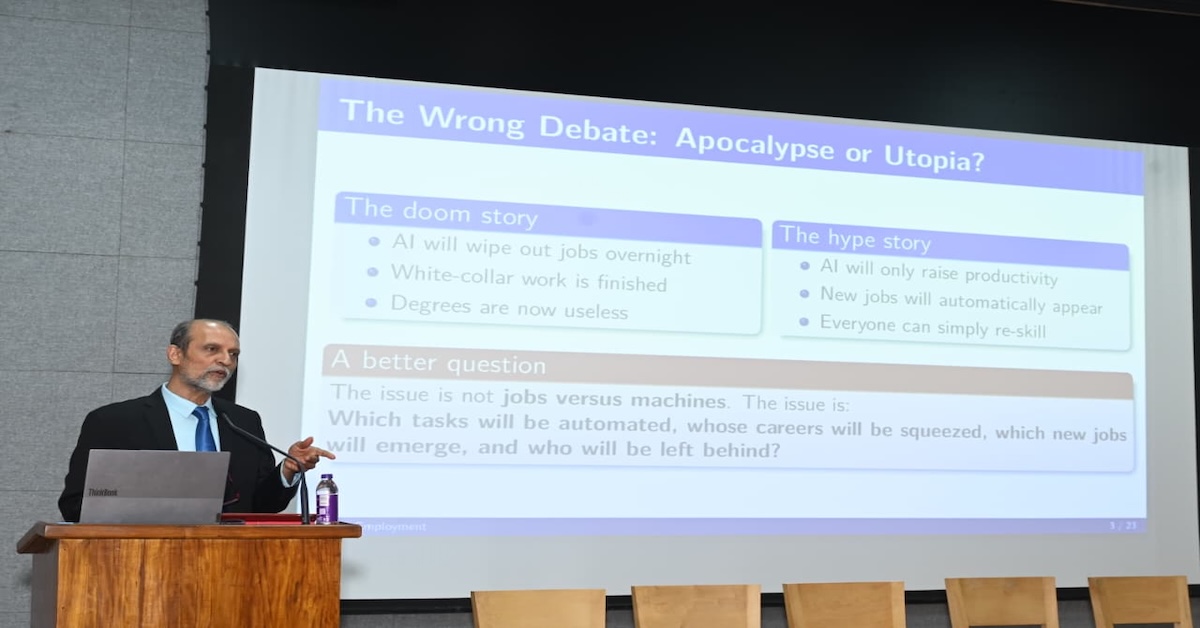
Patna: Artificial intelligence (AI) is poised to reshape labour markets, governance and economic development, but its long-term impact will depend on how governments and societies prepare people for technological change, leading economists and policymakers said at a public lecture in Patna on Sunday.

The event, titled “Artificial Intelligence (AI) and Employment”, was organised by the Institute for Human Development (IHD), Bihar Programme Office, under the auspices of the IHD Centre of Excellence on AI and Labour Markets, supported by the Anusandhan National Research Foundation (ANRF), Government of India.
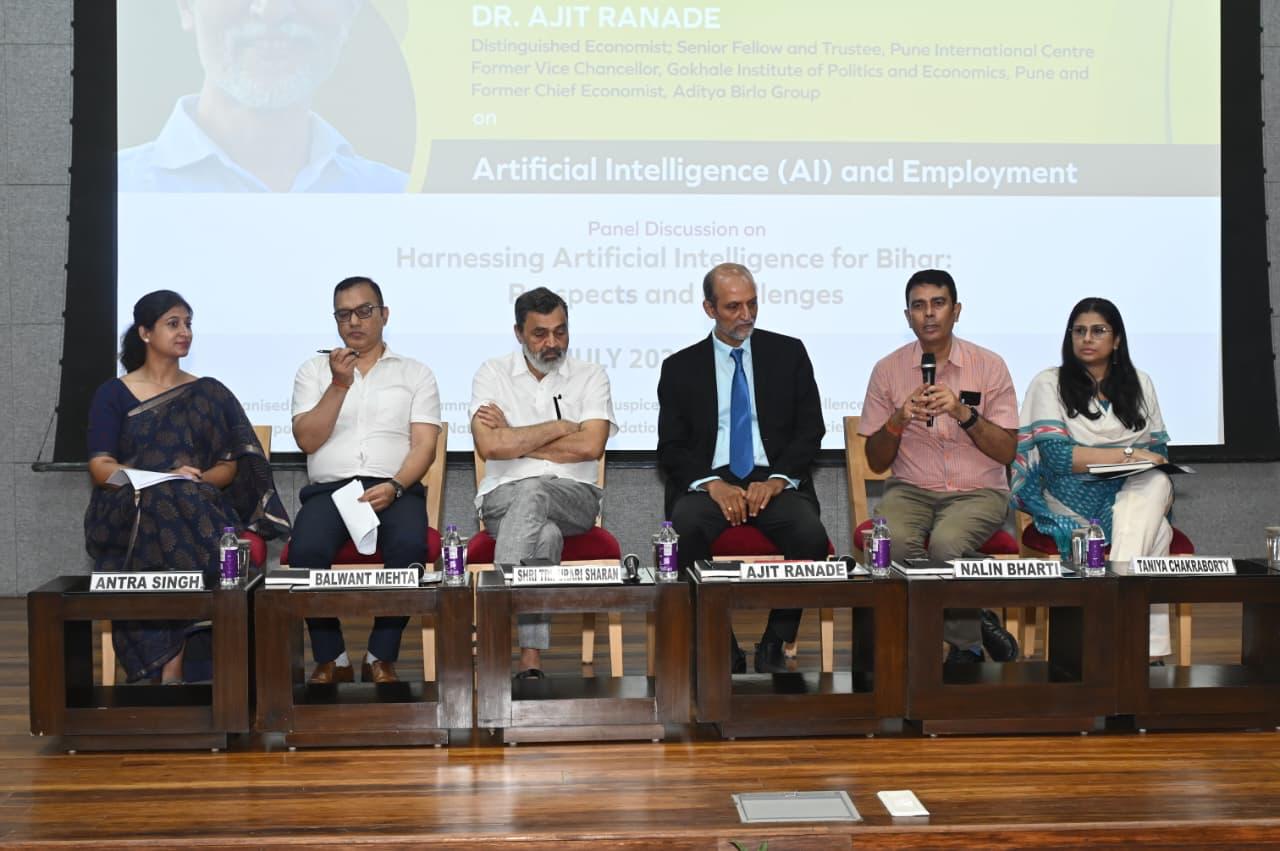
The programme also featured a panel discussion on “Harnessing Artificial Intelligence for Bihar: Prospects and Challenges”, bringing together policymakers, academics, researchers, students and development practitioners.

AI Raises New Questions For The Future Of Work
Delivering the keynote address, economist Dr Ajit Ranade, Senior Fellow and Trustee at the Pune International Centre and former Chief Economist of the Aditya Birla Group, said AI has revived one of economics’ oldest debates—whether technological progress ultimately creates jobs or eliminates them.
He observed that AI differs from previous technological revolutions because it can automate not only routine tasks but also cognitive and knowledge-intensive work.
While AI is expected to improve productivity and generate new economic opportunities, Ranade cautioned that it could also deepen inequalities unless accompanied by sustained investments in education, continuous skill development, innovation and strong labour market institutions.
“The future of work,” he said, “will depend not only on technology itself but on how societies prepare people to adapt to changing economic realities.”
AI Should Support Inclusive Governance
Chairing the programme, Tripurari Sharan, Chief Information Commissioner and former Chief Secretary of Bihar, described AI as a powerful tool for improving governance, public service delivery and human development.
He said technological adoption should be guided by ethical principles, transparency, accountability and a commitment to inclusive growth.
Bihar Must Invest In Skills And Research
During the panel discussion, Prof. Balwant Singh Mehta, Professor at the Institute for Human Development and Principal Investigator of the IHD Centre of Excellence on AI and Labour Markets, said AI is rapidly transforming labour markets across the world.
He called for evidence-based policymaking, greater investment in digital skills and stronger social protection systems to ensure technological progress benefits society broadly.
Prof. Nalin Bharti, Professor of Economics and DPIIT IPR Chair Professor at IIT Patna, said AI could significantly enhance productivity, innovation and economic competitiveness.
He argued that Bihar would need sustained investments in higher education, research, intellectual property and digital capabilities to leverage AI while generating quality employment opportunities.
Technology Must Be Matched By Human Capital
Welcoming participants, Dr Antra Singh, faculty member at the Institute for Human Development, said India’s demographic advantage could only be fully realised if technological advancement is matched by investments in education, skills and institutions that promote inclusive development.
She reaffirmed IHD’s commitment to encouraging evidence-based discussions on emerging development challenges.
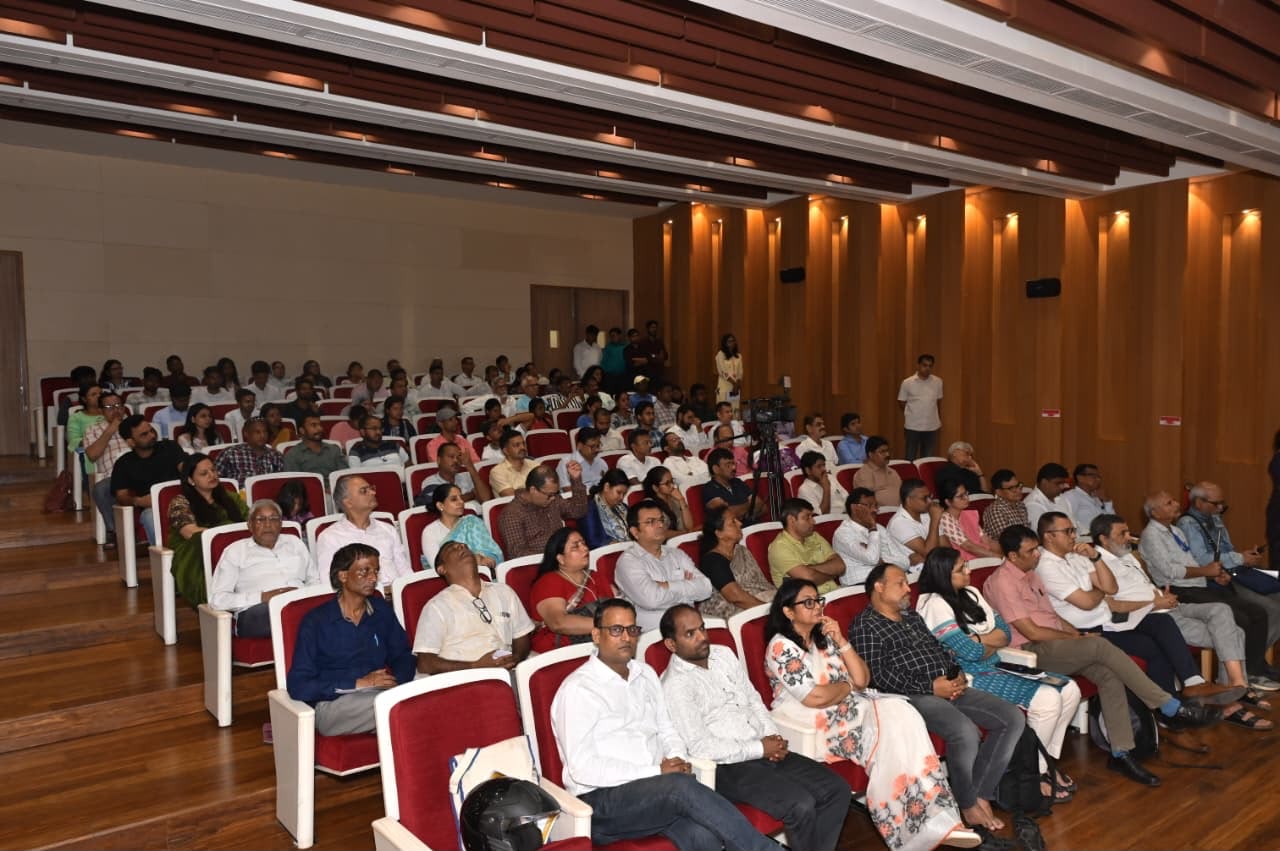
The programme concluded with an interactive session between participants and the speakers, reflecting strong interest in the implications of AI for employment, education, governance and Bihar’s development.
Dr Ravi Shankar Kumar, Coordinator of the IHD Bihar Programme Office, said the organisation would continue contributing to Bihar’s development through research, policy dialogue and institutional partnerships.
The organisers said the event reaffirmed IHD’s commitment to advancing research and collaborative policymaking on the future of work and technology-driven inclusive development.