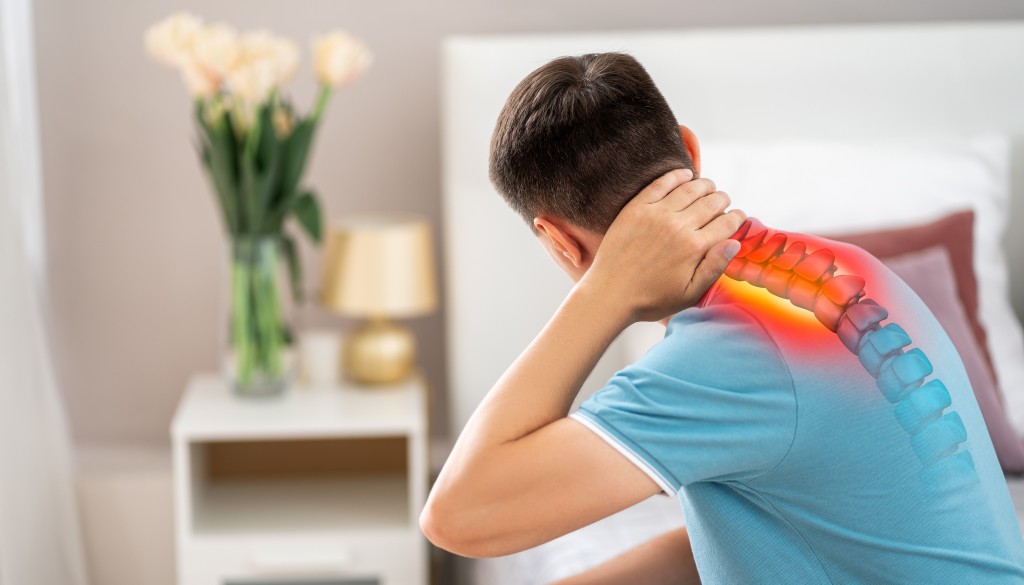
Patna: The risk of cervical, traditionally associated with older adults, is increasingly being seen among teenagers, with experts warning that prolonged use of mobile phones and laptops while bending the neck is a major contributing factor.

In today’s digital era, young people are spending hours hunched over devices, placing significant strain on the neck. Specialists note that maintaining a bent neck posture can exert pressure equivalent to approximately 27 kilograms on delicate bones and nerves. Over time, this strain can contribute to cervical disease, which may eventually affect the lower back and overall mobility.
Previously, cervical issues were most common among people aged 50 to 60. However, reports indicate that the condition is now appearing in individuals as young as 15, manifesting in symptoms such as headaches, neck stiffness, weakness in the arms or legs, and balance difficulties. Winter months appear particularly risky, with an increase in paralysis cases reported among susceptible patients. Doctors emphasise that those with high blood pressure should take extra precautions, including maintaining regular medication and avoiding extreme temperature changes during bathing.

Possible warning signs include facial muscle weakness, unusual limb weakness, slurred speech, dizziness, vision problems, and difficulty lifting or holding objects. Immediate medical attention is advised if these symptoms occur.
While most headaches are primary, recurring or prolonged nerve pain warrants consultation with a specialist. Physiotherapy is often recommended, and in some cases, surgical intervention may be necessary.
Experts also advise practical lifestyle measures to mitigate risk: staying hydrated, rising slowly from lying positions, managing mental stress, and practising correct posture while using digital devices. Maintaining an upright neck position is crucial, as continuous bending can increase nerve compression, impair neck rotation, and exacerbate health issues.
Health authorities urge the public to limit device usage, integrate regular stretching and exercise into daily routines, and seek professional advice if unusual symptoms persist.