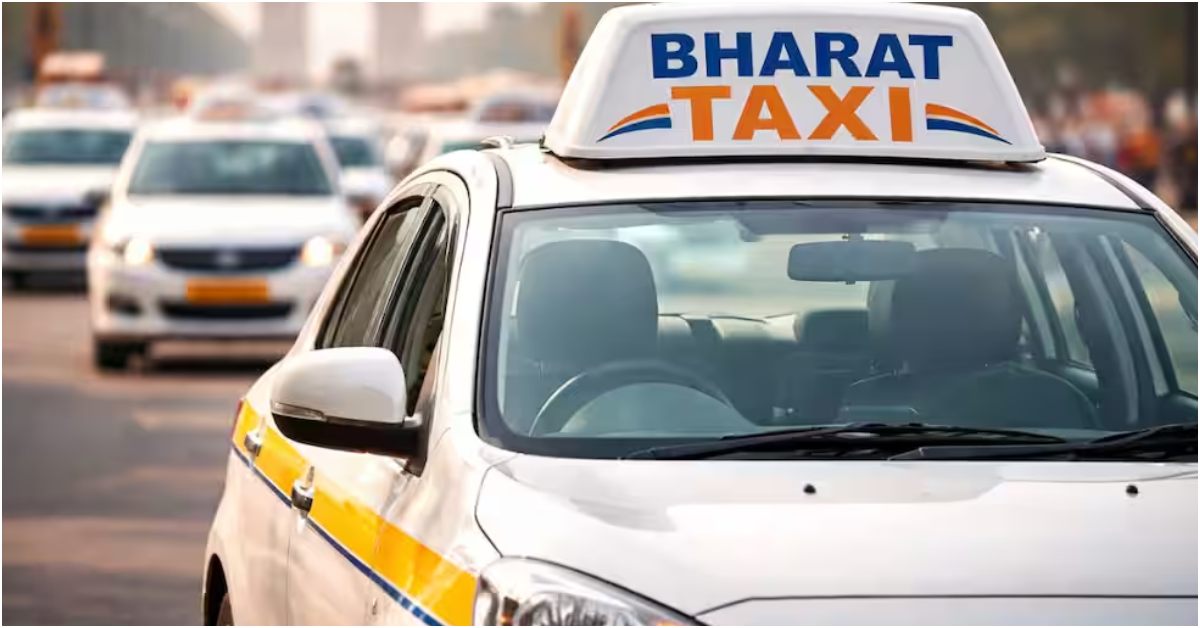
Patna: A state-backed taxi service designed to undercut ride-hailing giants Ola and Uber is set to launch in Bihar in June, in what officials describe as a shift towards a cooperative model of urban transport.

The service, branded “Bharat Taxi”, has been approved by the state government and will initially roll out in selected districts before expanding statewide by October. Modelled on a cooperative transport framework operating in Gujarat, the initiative is being led by Bihar’s cooperative department.
According to officials, fares under the new system are expected to be between 20% and 30% lower than those charged by private aggregators. The government says the reduction will be made possible by eliminating commission payments to corporate platforms, a long-standing grievance among drivers working with app-based cab services.

Under the scheme, drivers will be known as “Sarathi” and will become shareholders in the cooperative structure rather than contractors working for a private intermediary. Officials say this arrangement will allow drivers to retain a greater share of their earnings while offering passengers lower fares.
The launch will begin in major districts, including the state capital, Patna, where demand for app-based taxi services has grown steadily in recent years. Authorities expect the service to expand across the state in phases.
A dedicated mobile application, also titled Bharat Taxi, is being developed to facilitate bookings for cabs, auto-rickshaws and two-wheelers. The platform will allow travel both within cities and on intercity routes, and will include larger vehicles capable of seating up to six passengers.
Officials say drivers enrolled in the scheme will be offered social security benefits including health and accident insurance. The government is also considering measures to encourage the participation of women drivers, framing the initiative as both a transport reform and an employment opportunity.
If implemented on schedule, Bharat Taxi would mark one of the first attempts by a state government to directly challenge app-based aggregators through a cooperative model, potentially reshaping the balance between drivers, platforms and passengers in Bihar’s transport sector.