Patna: The Bihar State Election Commission has begun preparations for the 2026 municipal elections, with plans to introduce multi-post S3 model electronic voting machines (EVMs) and totaliser machines for the first time in the state’s urban local body polls.

The move is aimed at making the election process more secure, transparent and technically robust, according to officials.
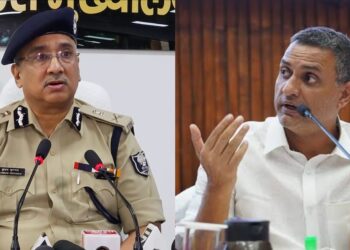
As part of the preparations, the commission organised a two-day technical training programme at its Patna office under the guidance of State Election Commissioner Dr Deepak Prasad.

Officials, including master trainers, IT managers and district informatics officers from Patna, Saran, Aurangabad, East Champaran and Siwan, took part in the training.
First use of totaliser in municipal polls
Addressing the session, State Election Commission secretary Mukesh Kumar Sinha said the introduction of the S3 model EVMs and totaliser machines was a significant step towards improving the technical reliability of municipal elections.
He said the totaliser feature integrated with the S3 model EVM was a distinct innovation developed by the Bihar State Election Commission and would be used live during counting for the first time.
What the totaliser machine does
The totaliser machine is designed to improve transparency and efficiency during vote counting.
According to the commission, the system can display counting results on large screens and provide data in multiple formats, including post-wise, candidate-wise and phase-wise breakdowns.
It can also present consolidated results and retrieve data from earlier counting stages or from control units used at previous polling stations.
The machine will allow counting data to be stored securely on the commission’s centralised server.
Training and implementation
At the conclusion of the training, State Election Commissioner Dr Deepak Prasad said the effective use of the new technology would be crucial for the smooth conduct of the municipal elections.
He said the initiative could strengthen the credibility of elections in Bihar and serve as a model for similar reforms elsewhere in the country.
Prasad also stressed the need for trained personnel at district and municipal levels to ensure proper implementation of the technology during the election process.