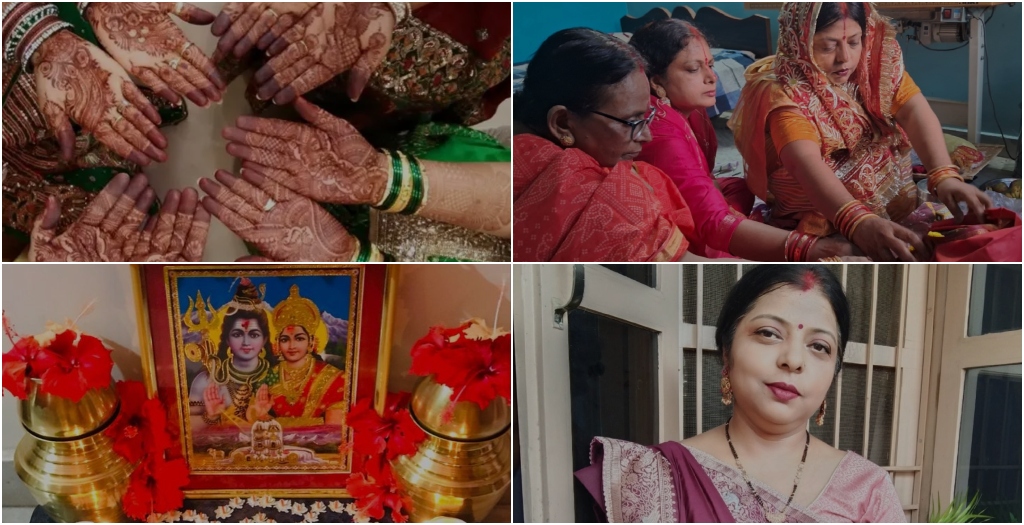
Patna: In the culturally vibrant region of Mithila, which stretches from northern Bihar into Nepal, a distinctive tradition celebrates the Chauth Chandra festival, also known as Chaurchan. Unlike many religious observances that restrict participation, this folk festival transcends caste, gender, and ritual formalities, inviting communities to collectively worship the moon. This year, Chaurchan will be observed on August 27.

Rooted in nature worship, a central aspect of Sanatan Agam culture, Chaurchan venerates the “tainted” moon on the fourth day of the Bhadon month. Residents of Mithila, from all castes and creeds, offer arghya in their courtyards, observing fasts and praying for purification, echoing the communal spirit seen in the region’s more widely known Chhath festival.
A festival of food and community

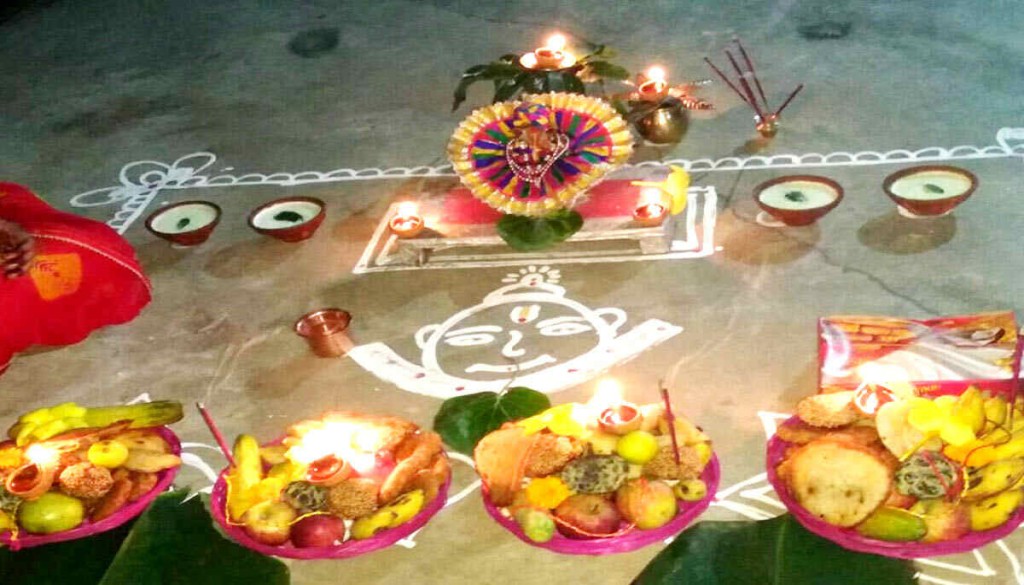
Food plays a central role in Chaurchan. Preparations begin early in the day, with households cooking a variety of dishes that are shared with neighbours to ensure no one goes without a meal. As evening falls, the head of each household, often accompanied by elder women, waits for the moon to rise. Traditionally, offerings include kheer, puri, fruits, and other delicacies, presented in open courtyards decorated with aripan—intricate patterns made from clay or cow dung.
The mythology behind the tainted moon
The festival’s origins are intertwined with mythology. According to Purana texts, the moon was cursed when it laughed at Ganesha after he stumbled. In response, Ganesha dimmed the moon, cursing that anyone who looked upon it on that day would be marked by falsehood and misfortune. Even Krishna was said to have suffered from this lunar stigma, illustrating its enduring influence in local lore. Legends also link the moon’s “stain” to sage Gautam’s anger and the story of Ahalya’s petrification, later remedied by Lord Ram.
Hemangd Thakur and the formalisation of the festival
The public observance of Chaurchan is credited to Hemangd Thakur, a 16th-century king of Mithila. Known for his devotion to astrology and astronomy, Thakur’s precise calculations of solar and lunar eclipses eventually won him recognition, forgiveness from the ruling Delhi authorities, and exemption from taxation. His work, Grahan Mala, detailed these astronomical observations.
Queen Hemlata, observing the “tainted” moon during this period, initiated the practice of public moon worship. Her example spread rapidly among the populace, establishing a tradition that endures to this day. Each year, communities recreate her observances with offerings, ritual decorations, and communal participation, blending devotion, mythology, and cultural identity.