
Patna: The effects of climate change are becoming increasingly evident across India, including Bihar, where changing rainfall patterns, recurring heatwaves and disruptions in the monsoon cycle are raising concerns among scientists and policymakers.

In response, the India Meteorological Department (IMD) has launched a special scientific study to examine the causes and consequences of the environmental changes observed over the past two decades.
Officials say the initiative will focus on understanding shifts in rainfall patterns, monsoon behaviour, extreme weather events and rising temperatures, all of which have significant implications for agriculture, water resources and public health.

Bihar Witnessing Repeated Rainfall Deficits
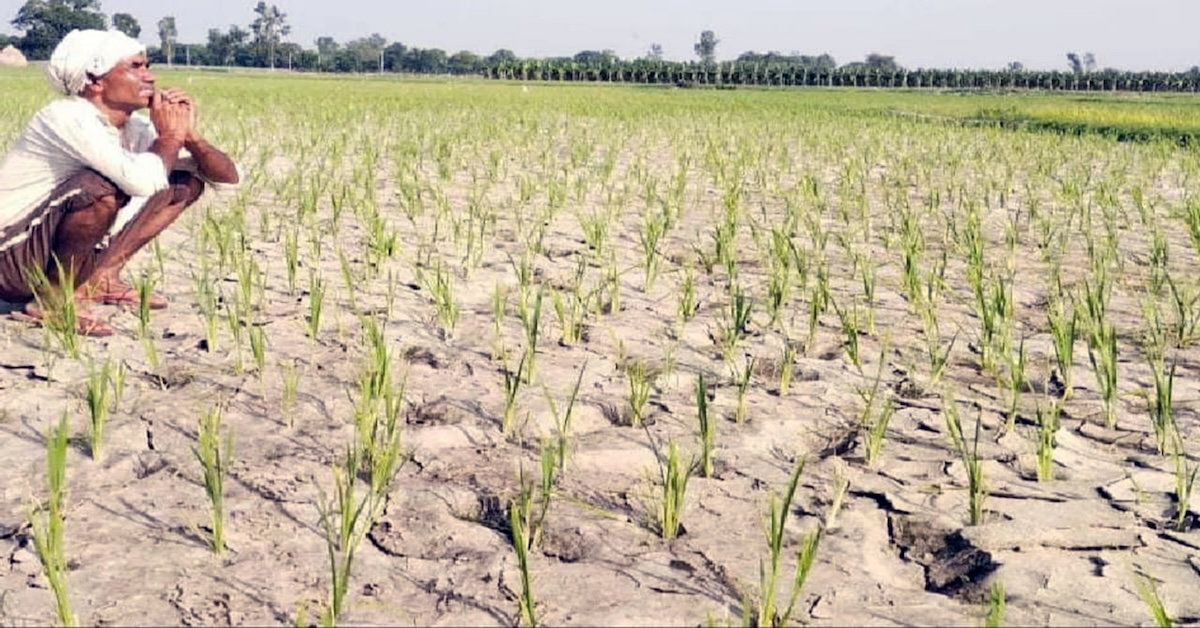
Data reviewed by meteorological experts indicates that Bihar has experienced below-normal monsoon rainfall in 13 of the past 20 years.
The state recorded substantial rainfall deficits in several recent years, underscoring a worrying trend for an agrarian economy heavily dependent on seasonal precipitation.
| Year | Rainfall Deficit |
|---|---|
| 2026* | 41% |
| 2025 | 31% |
| 2024 | 20% |
| 2023 | 23% |
| 2022 | 31% |
| 2018 | 25% |
*Deficit recorded so far during the current monsoon period.
Experts warn that declining rainfall and irregular monsoon activity could have long-term implications for crop production, groundwater recharge and rural livelihoods.
Traditional Rainfall Patterns Disappearing
Climate researchers say one of the most visible changes has been the disappearance of the slow, prolonged monsoon showers that once characterised Bihar’s rainy season.
A Patna-based climate expert noted that the traditional rainfall pattern locally known as “Jhapsi” — steady rain commonly experienced during the months of Sawan and Bhado — has largely vanished over the past 15 years.
Such rainfall not only benefited paddy cultivation but also helped moderate temperatures during the monsoon season.
Its disappearance, experts argue, reflects broader shifts in regional climate patterns and changing atmospheric conditions.
Heatwaves During Monsoon Raise Alarm
Meteorologists have also observed increasingly frequent heatwave-like conditions during periods traditionally associated with rain.
The weakening and delayed progression of the monsoon has allowed high temperatures to persist deeper into the rainy season, creating unusual weather conditions across several regions.
Scientists say the combination of declining rainfall and rising temperatures is among the clearest indicators of climate-related changes affecting eastern India.
Nationwide Research Initiative
As part of the special study, the IMD has distributed research responsibilities among its specialised centres across the country.
| IMD Centre | Area of Study |
|---|---|
| Chandigarh | Western Disturbances |
| Ahmedabad | Heatwaves and Cold Waves |
| Bhopal | Monsoon Progression |
| Bhubaneswar | Tropical Cyclones |
| Jaipur | Desert Meteorology |
| Hyderabad | Integrated Urban Weather Systems |
Officials say the findings will contribute to future climate adaptation, weather forecasting and disaster management strategies.
Rising Temperatures Add To Concerns
According to meteorological data, India’s average temperature between 2015 and 2024 was approximately 0.9°C higher than the average recorded during the 1901–1930 period.
| Climate Indicator | Status |
|---|---|
| Rise in Average Temperature (2015–2024 vs 1901–1930) | +0.9°C |
| Bihar Rainfall Deficit in 2026 | 41% |
| Years with Below-Normal Monsoon in Last 20 Years | 13 |
| Traditional ‘Jhapsi’ Rainfall Pattern | Largely disappeared over 15 years |
Scientists warn that rising temperatures are contributing to a range of environmental challenges, including shrinking green cover, increased lightning incidents, urban flooding and pressure on groundwater resources.
Officials believe the proposed study will help improve understanding of these trends and support evidence-based policymaking aimed at mitigating the impact of climate change.
For Bihar, where agriculture, water availability and rural livelihoods remain closely tied to weather patterns, the findings could prove particularly significant as the state confronts increasingly unpredictable climatic conditions.