Saran: Marhaura, a small town in Bihar’s Saran district, was once a bustling centre of industry. Known as the “Manchester of Bihar”, the town was alive 24 hours a day with smoke rising from factory chimneys and workers moving in three shifts. People came from all over the region to work here, and the factories supported not just the town but the surrounding villages. For decades, Marhaura thrived, and its industries became symbols of economic strength and opportunity. Today, however, most of the factories have closed, and the town is quiet. Many families have left, moving to bigger cities in search of work, while those who remain face unemployment and hardship.

The town’s industrial story began over a century ago during the British era. In 1904, the Kanpur Sugar Works Limited, Bihar’s first sugar mill, was set up to encourage sugarcane cultivation. Later, in 1929, the famous Morton Chocolate Factory began producing chocolates, toffees, and biscuits, which were even supplied to the Indian Army and Air India. That same year, other major factories like Saran Distillery and Saran Engineering Works also started. These industries made Marhaura nationally known and created thousands of jobs. Saran Engineering Works exported machinery as far as Russia and Britain, while the sugar mill operated in three shifts, providing steady income for workers. The factories brought life, wealth, and hope to the town for decades.
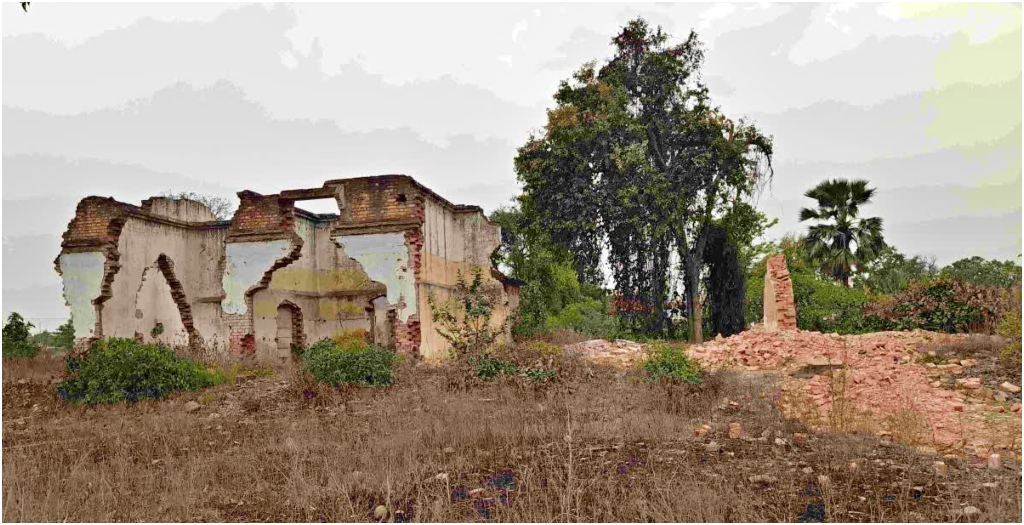
The decline began in the late 1990s. Problems like labour disputes, poor management, and lack of government support forced the sugar mill to close in 1997. The Morton Chocolate Factory closed about 25 years ago, and the distillery and engineering works also shut down. Today, abandoned buildings, broken chimneys, and stolen iron pieces are all that remain. Millions of rupees are still owed to farmers and workers, while the lands of these factories have been encroached upon. The town that once thrived on industry now struggles with poverty and unemployment, and the empty streets reflect the loss of an era.

Over the years, politicians have repeatedly promised to revive Marhaura’s industries, but very little has changed. Former Prime Minister Narendra Modi spoke of restarting the sugar mill, and other leaders, including Lalu Prasad Yadav, Rajiv Pratap Rudy, Amit Shah, Nitish Kumar, and Samrat Choudhary, have all made similar pledges. In November 2025, the NDA government approved a plan to reopen nine closed sugar mills, including Marhaura. Deputy Chief Minister Samrat Choudhary has promised that the sugar mill will reopen within a year as part of a larger plan to launch 25 new sugar mills in the state.
Amid the decline of old industries, a new hope came in the form of a diesel locomotive factory. Started in 2018 as a joint venture between Wabtec and Indian Railways, the factory produces high-capacity engines that are exported to Africa. While it has brought some activity to Marhaura, most local people have not benefited, as many jobs have gone to outsiders. Locals say the factory cannot replace the employment and opportunities once provided by the sugar mill and other units. Families who stayed behind continue to struggle, and thousands have migrated elsewhere in search of work.
For the people of Marhaura, Choudhary’s promise is a small ray of hope. If the sugar mill and other factories are revived, the town could regain some of its past glory. However, residents stress that this time concrete action is needed — land disputes must be resolved, employment must be local, and plans must be executed without delay. The story of Marhaura is a reminder of how industrial decline can affect generations, and how revival, though promised, requires more than words.