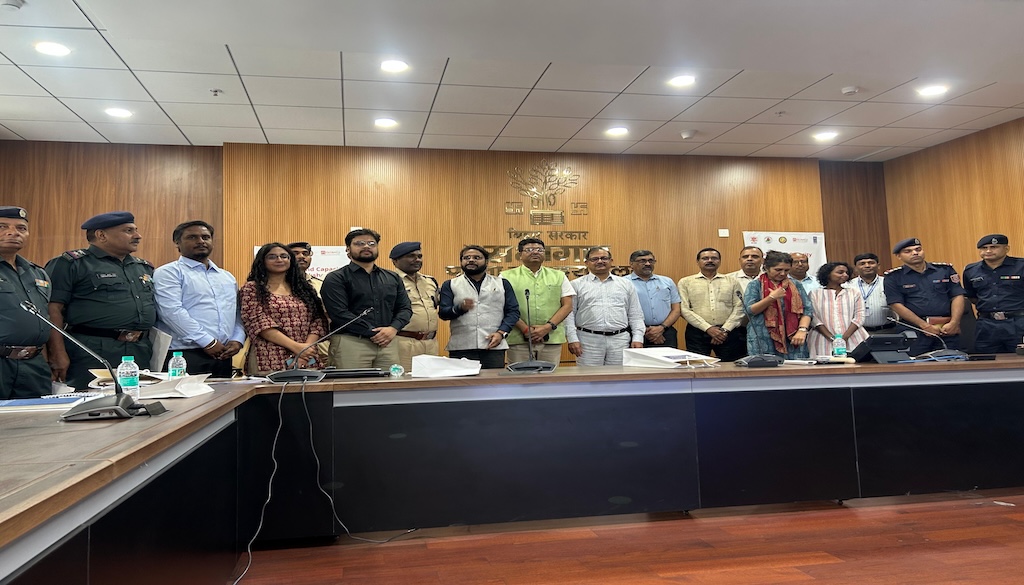
Patna: Patna has become the first district in the country to develop a model Heat Action Plan (HAP), with officials and climate experts on Saturday emphasizing the urgent need for localized and science-based preparedness against rising heatwave risks.

A stakeholder consultation and validation workshop titled “Preparation and Implementation of a Model Heat Action Plan for Patna District” was organised at the Patna Collectorate.
Representatives from the Bihar State Disaster Management Authority (BSDMA), District Disaster Management Authority, United Nations Development Programme (UNDP), IPE Global, National Disaster Response Force, SDRF, Fire Services, Health Department and other frontline agencies participated in the workshop.

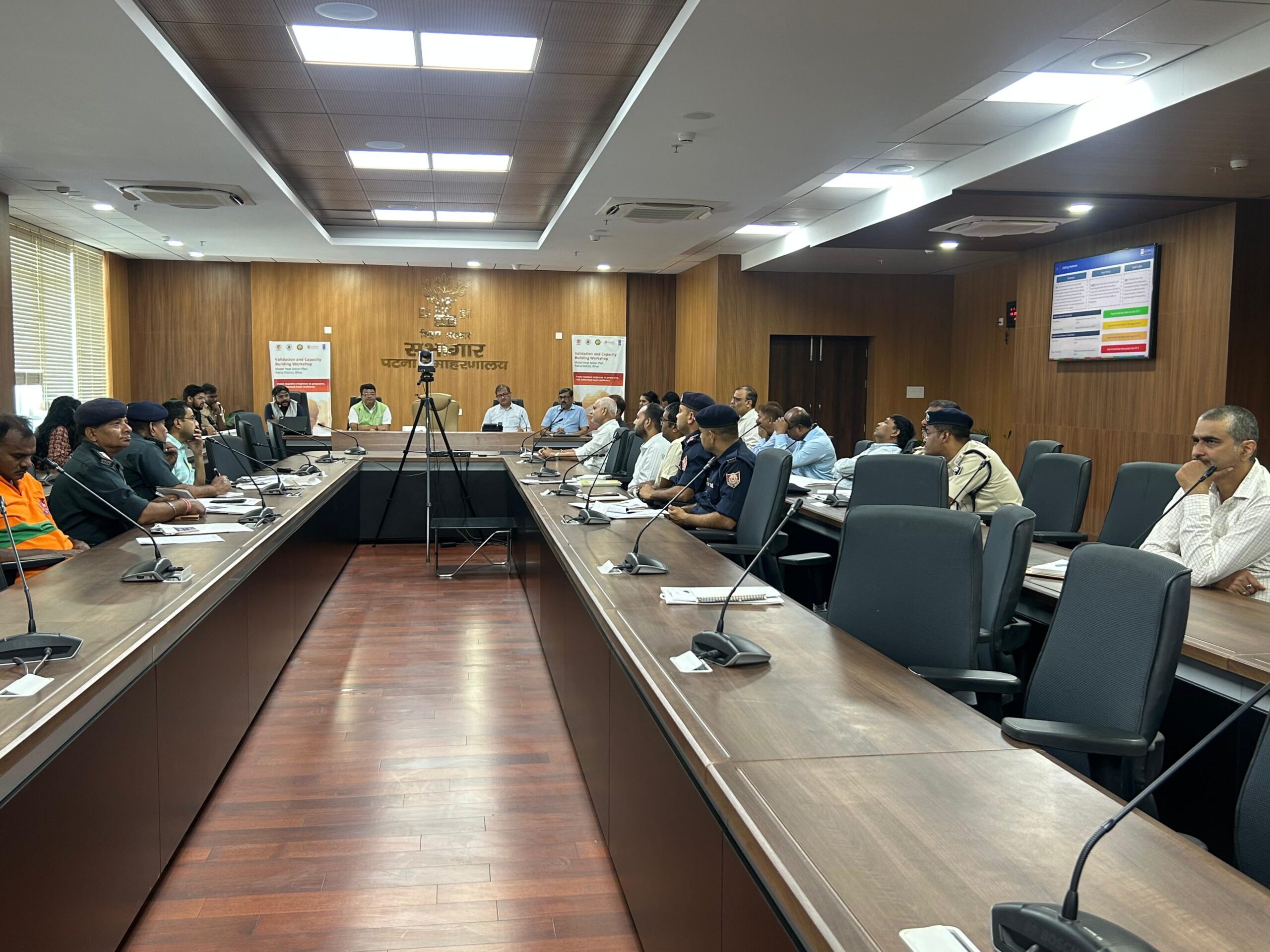
Focus On Localised Climate Preparedness
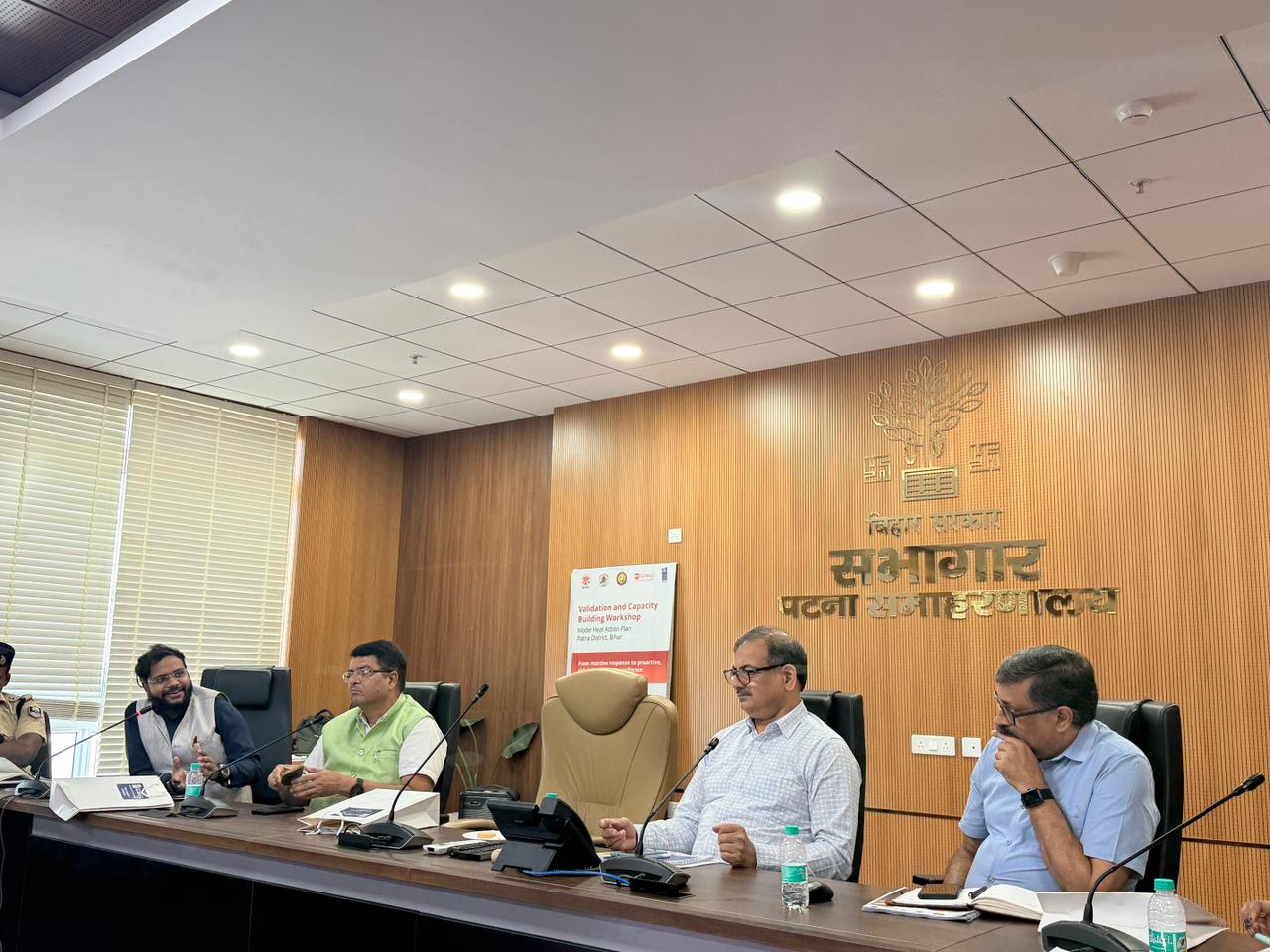
Senior officials attending the programme included BSDMA Secretary Mohammad Waris Khan, Bihar Mausam Seva Kendra’s director C N Prabhu and Patna’s additional district magistrate Devendra Pratap Shahi.
Speakers stressed the importance of shifting beyond traditional reactive disaster response systems towards forecasting-based planning, institutional coordination and risk-informed climate strategies.
Officials said rapid urbanisation and changing climate patterns had increased the urgency for district-level heat preparedness in Patna.
Heat Vulnerability Mapping Discussed
Abinash Mohanty presented details of the Model Patna Heat Action Plan, outlining measures aimed at reducing heat-related risks and improving emergency response systems.
Technical sessions focused on identifying high-risk groups, heat hotspots and district-level vulnerability patterns.
Participants were also briefed on the methodology behind the Heat Vulnerability Index (HVI) and Heat Risk Index (HRI), tools used to assess exposure, sensitivity and adaptive capacity in climate-sensitive regions.
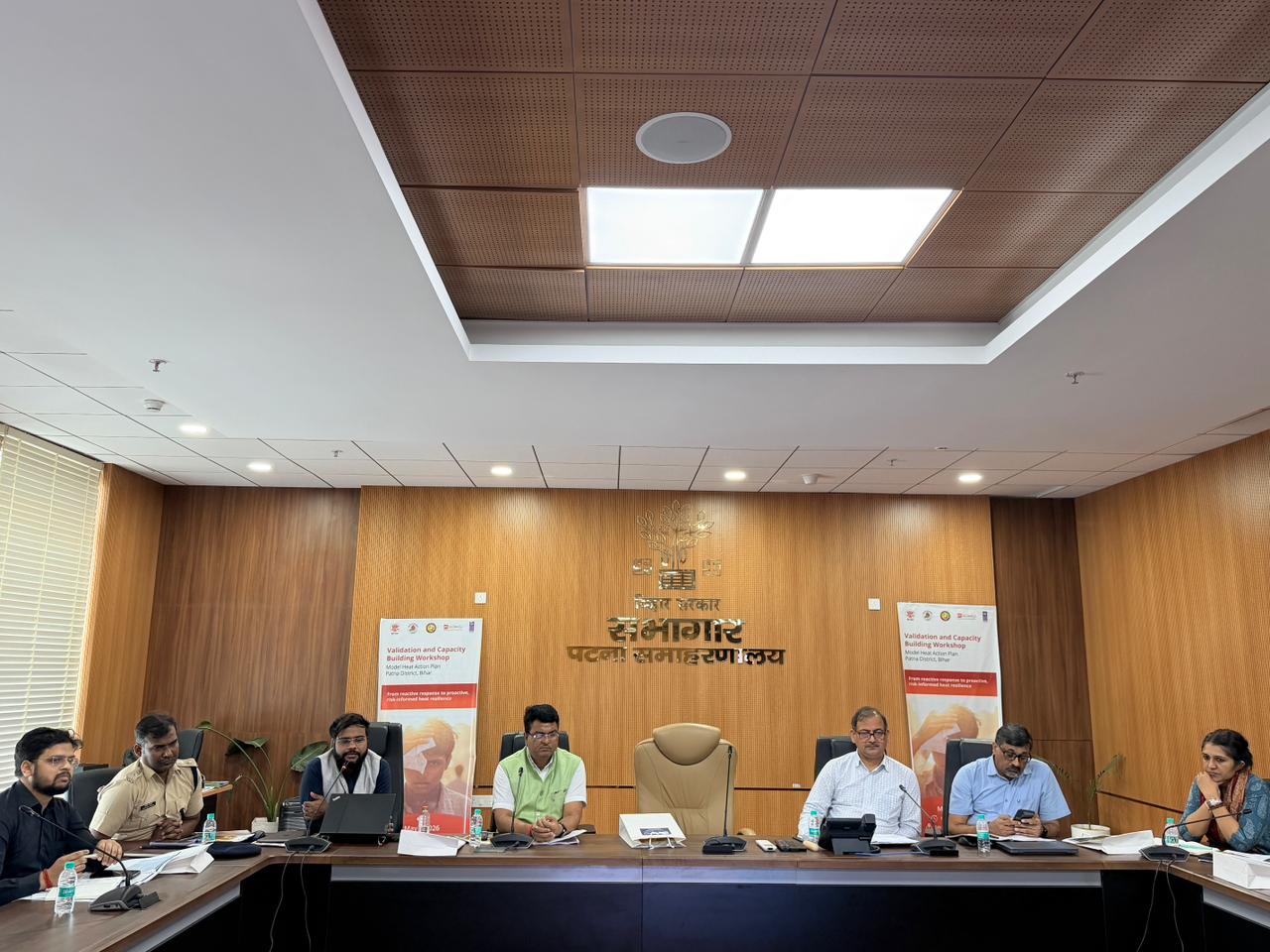
Digital Decision Support System Introduced
Officials said the workshop also aimed to familiarise departments with the operational structure of the Heat Action Plan and its associated Digital Decision Support System portal.
Discussions were held on coordination frameworks, public awareness campaigns, dissemination of IEC materials and monitoring indicators to ensure effective implementation.
UNDP’s representative Kavya Vani delivered the welcome address, while Kumar Naman, Assistant Disaster Management Officer Disaster Management Department, proposed the vote of thanks.
Officials said multi-sectoral coordination, data-driven planning and sustained institutional engagement would be essential to tackling the growing threat posed by extreme heat events in Bihar.