
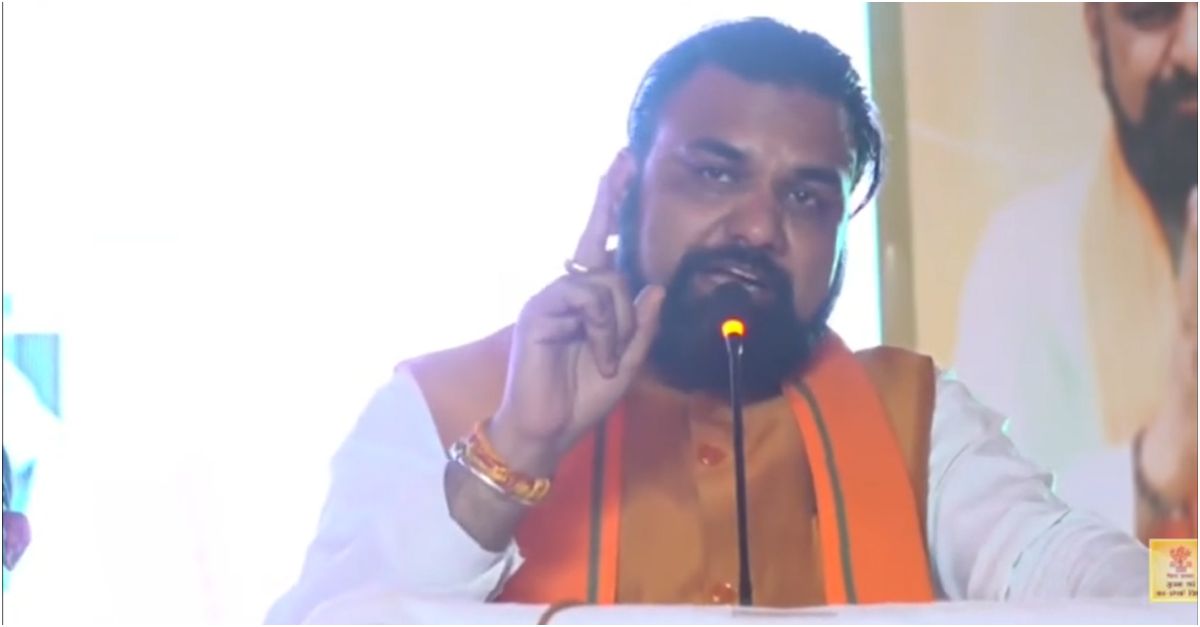
Munger: Samrat Choudhary has warned state officials that disciplinary action will be taken against those who fail to process files within a month, signalling a tougher approach to administrative delays in Bihar.

Speaking during a visit to Munger on Sunday, Choudhary said there would be “no leniency” for negligence in government offices. Any file left pending for more than 30 days would invite direct action, he said, in remarks aimed at improving bureaucratic efficiency.
The chief minister was addressing public programmes in the Tarapur and Asarganj blocks, where he also announced a series of governance measures intended to bring services closer to citizens. Under a new initiative, special grievance redressal camps will be held twice a month in every panchayat, with officials required to resolve issues on the spot.

Choudhary, visiting Tarapur – his assembly constituency – for the first time since taking office, described his elevation to chief minister after his first election as a “significant responsibility”. He said he had received strong public support from the region and pledged to accelerate development efforts across the state.
Referring to Narendra Modi and Nitish Kumar, Choudhary said both leaders had entrusted him with leading Bihar, and that his priority was to push the state towards rapid development.
The chief minister acknowledged longstanding complaints about irregularities at block and circle (anchal) levels. In response, he said the chief minister’s office would directly monitor the functioning of block offices, revenue circles and police stations, in an effort to improve accountability and speed up grievance resolution.
As part of what he called the “Sahyog programme”, officials will be deployed to panchayats for two days each month to address public concerns locally, reducing the need for residents to travel between offices.
Choudhary also outlined a broader development vision, saying Bihar should build on progress made in infrastructure, electricity, water supply and education in recent years. Invoking the legacy of Gautama Buddha, he said the state should move forward with a focus on peace, prosperity and accelerated growth.