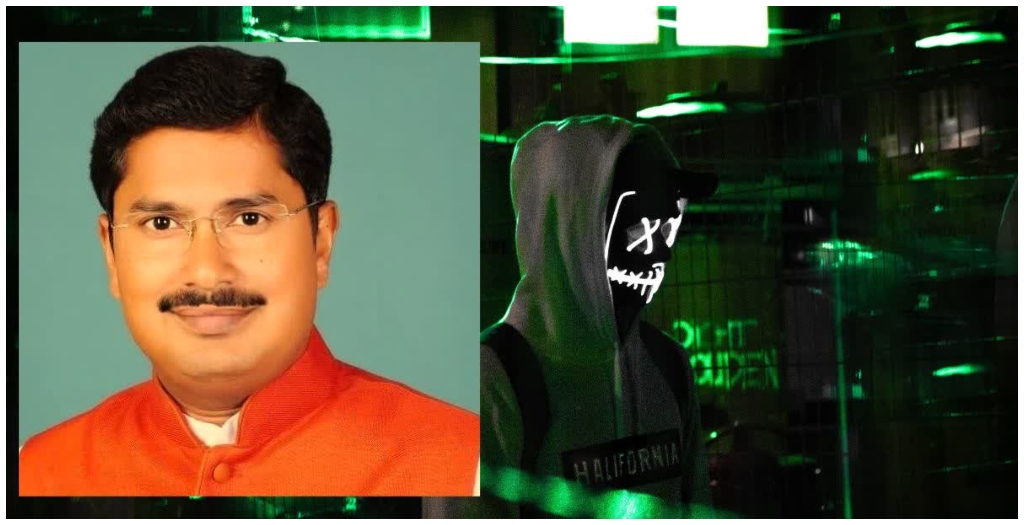
Patna: Rana Randhir Singh, the BJP legislator from Madhuban in Bihar, said his mobile phone had been hacked after fraudulent WhatsApp messages were sent from his number requesting Rs 28,000 from people in his contact list.

The incident came to light after several acquaintances and supporters reportedly received messages asking for an urgent online payment, prompting concern across East Champaran district.
Fraudulent Messages Sent From MLA’s Account

According to the MLA, cybercriminals gained access to his WhatsApp account and sent messages to supporters, party workers and personal contacts. The messages claimed he needed immediate financial assistance and asked recipients to transfer Rs 28,000.
The requests were accompanied by bank account details, a mobile number and a beneficiary name, making the messages appear legitimate. Police suspect the scammers specifically targeted people likely to trust requests originating from the legislator’s personal number.
Police And Cyber Cell Launch Inquiry
After learning about the breach, Singh informed the district police, including the Superintendent of Police in Motihari, the deputy superintendent in Pakaridayal and the station house officer at Madhuban Police Station.
Police said the cyber cell has started an investigation to identify how the account was accessed. Officials are examining whether methods such as SIM swapping, cloning or social engineering were used to compromise the device.
Public Warning Issued
Singh later issued a warning on social media, urging people not to transfer money if they receive messages from his number asking for financial help.
He said cybercriminals were now targeting elected representatives as well as ordinary citizens, and called for stronger cybersecurity safeguards. Police have also asked residents to verify any request for money by calling the sender directly before making payments.
Cybercrime Tactics Under Review
Investigators are analysing IP records and bank account details linked to the messages to trace those involved. Officials said the fraud reflected a growing pattern in which scammers impersonate public figures to gain trust quickly.
Cybersecurity experts said such scams increasingly rely on access to messaging apps, cloned devices or stolen verification codes, allowing criminals to contact trusted circles and request emergency payments under false pretences.