Rajgir/Patna: Nalanda University has formally revived the ancient Indian tradition of Śāstrārtha — structured scholarly debate and intellectual discourse — through the launch of “Śāstrārtha 2026” as part of its third convocation programme.

The two-day initiative, being held on May 17 and 18, seeks to reintroduce the classical culture of rigorous academic dialogue historically associated with the ancient Nalanda Mahavihara.
University officials said the programme had been conceived not merely as a ceremonial event, but as a platform for:

- dissertation defence
- scholarly debate
- public intellectual engagement
- revival of the Guru–Śiṣya Paramparā
Focus On Intellectual Engagement And Debate
According to the university, the initiative aims to foster:
- clarity of thought
- methodological rigour
- scholarly courage
- public accountability in academic discourse
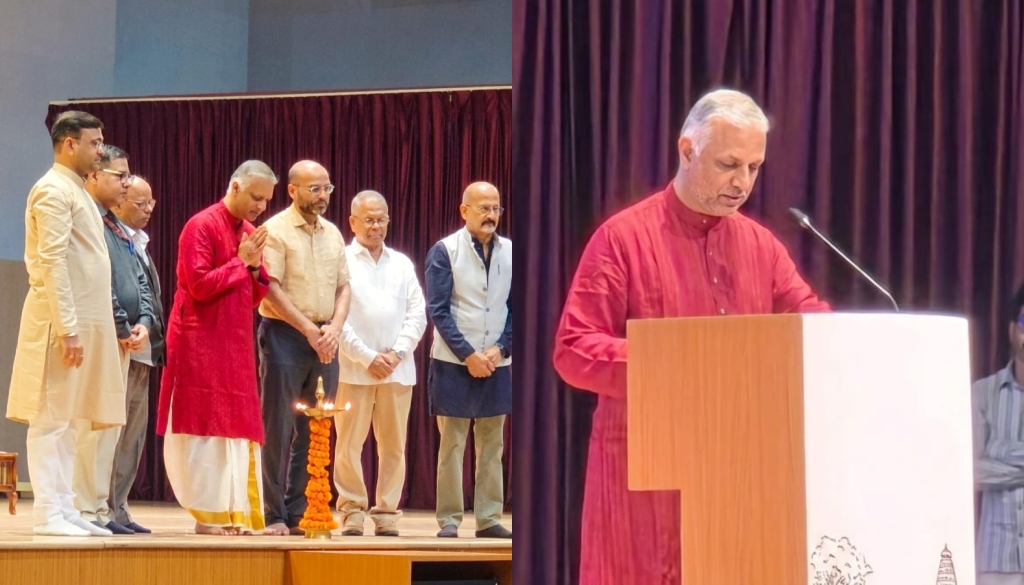
The inaugural ceremony began with the chanting of the Snātaka Maṅgal Gāna, followed by an address from Vice Chancellor Sachin Chaturvedi.
Addressing participants, Chaturvedi said the university wanted students “not merely to submit dissertations, but to understand, articulate, defend and contextualise their ideas”.
“Education cannot be outsourced to artificial intelligence; it must emerge from intellectual struggle and personal reflection,” he said.
He further noted that ancient Indian knowledge traditions did not separate ethics from governance or wisdom from public life.
Scholars Discuss Relevance Of Śāstrārtha Tradition
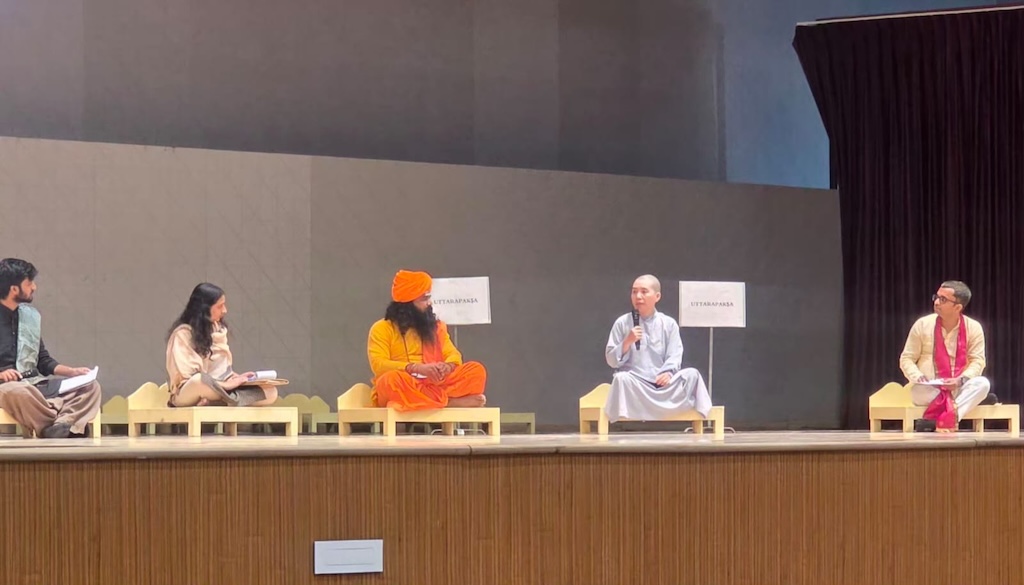
An expert panel on “The Tradition of Śāstrārtha: History, Practice and Contemporary Relevance” featured scholars associated with Indian philosophical and knowledge traditions.
Participants included:
- Sachhidanand Mishra
- Mayank Shekhar Mishra
- Asanga Tilakaratne
- Vishal Tarachand Gada
- Godabarisha Mishra
- D. Venkat Rao
The discussions explored the continuing relevance of classical Indian debate traditions in contemporary academia and public life.
23 Thematic Debate Panels Organised
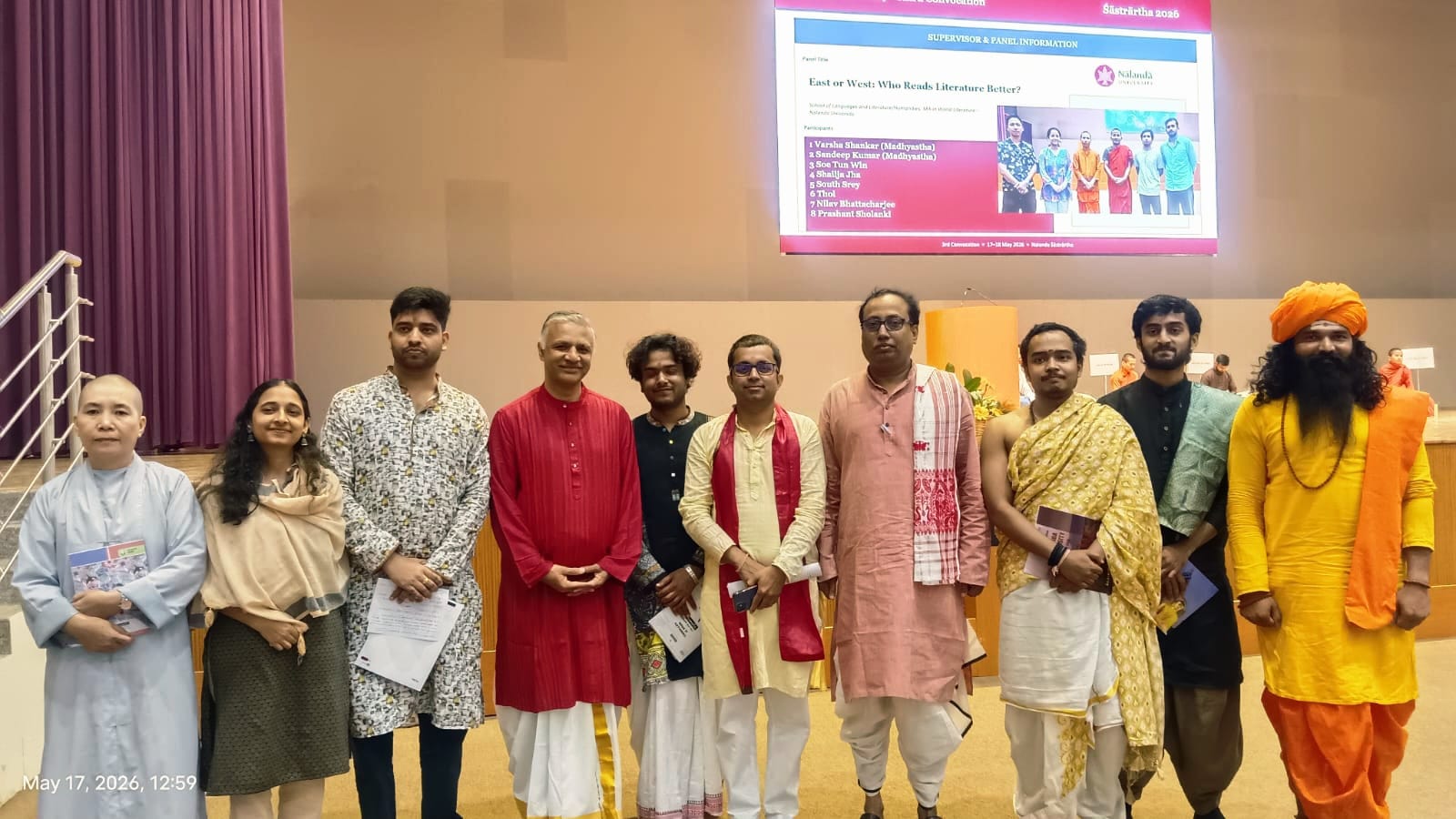
Over the course of the event, Nalanda University is hosting 23 thematic Śāstrārtha panels across subjects including:
- Buddhist Studies
- Hindu Studies
- Archaeology
- Ecology
- International Relations
- Sustainable Development
- Literature
- Philosophy
The sessions are structured around the classical framework of Pūrvapakṣa and Uttarapakṣa, encouraging participants to engage in disciplined reasoning and collaborative inquiry.
University officials said the debates were rooted in the principles of:
- Pramāṇa (valid knowledge)
- Tarka (logical reasoning)
- Śīla (ethical conduct)
The institution emphasised that the purpose of debate was not adversarial victory, but the pursuit of truth and deeper understanding.
Organisers also stated that ethical guidelines prohibit personal attacks and stress:
- mutual respect
- impartiality
- scholarly integrity
Awards And Convocation Ceremony
As part of the initiative, the university will confer:
- the Nālandā Śāstrārtha Sammāna for teachers promoting inquiry and intellectual dialogue
- the Nālandā Śāstrārtha Puraskāra for students demonstrating exceptional debating and scholarly engagement
The formal convocation ceremony will take place on May 19, when graduating students will receive degrees in keeping with the traditions and intellectual legacy of ancient Nalanda.