Patna: The government is stepping up efforts to enforce a “one household, one connection” rule for domestic cooking gas, in a move it says will curb subsidy misuse and improve the distribution of energy resources.

Under the new framework, households will no longer be allowed to simultaneously hold both a subsidised LPG cylinder and a piped natural gas (PNG) connection. Officials say the measure is aimed at ensuring that benefits intended for eligible consumers are not duplicated.
According to sources in the Ministry of Petroleum and Natural Gas, oil marketing companies have been instructed to stop issuing new LPG bookings or refills in cases where a PNG connection is already active in the same household. Consumers falling under this category are being encouraged to voluntarily surrender their LPG connections.

The policy targets urban areas in particular, where access to both LPG and PNG has expanded rapidly in recent years. Authorities believe that some households have been availing both services simultaneously, increasing the risk of subsidy leakage.
Surrender drive gathers pace
Since the rollout of the stricter enforcement, thousands of consumers have begun surrendering their LPG connections. Government estimates indicate that more than 43,000 connections have already been returned, though officials acknowledge that the number of households with dual connections may be significantly higher.
The government has said that limited exemptions could be granted in exceptional or temporary circumstances. However, continued violation of the rule may lead to penalties or cancellation of the LPG connection.
Monitoring and enforcement
Oil companies and gas distributors have been asked to carry out data analysis and field surveys to identify households with dual connections. Increased monitoring is already under way in major cities, including Delhi, with notices expected to be issued to those found in breach of the rules.
Officials added that efforts are also being made to ensure uninterrupted LPG supply in areas where PNG infrastructure has yet to be established.
Energy pressures in the background
The move comes amid continued volatility in global energy markets. India remains heavily dependent on imports for crude oil, natural gas and LPG, making it vulnerable to international disruptions, including geopolitical tensions in West Asia.
Against this backdrop, policymakers argue that better targeting of subsidies and more efficient resource allocation are essential to maintaining supply stability.
Prices and public response
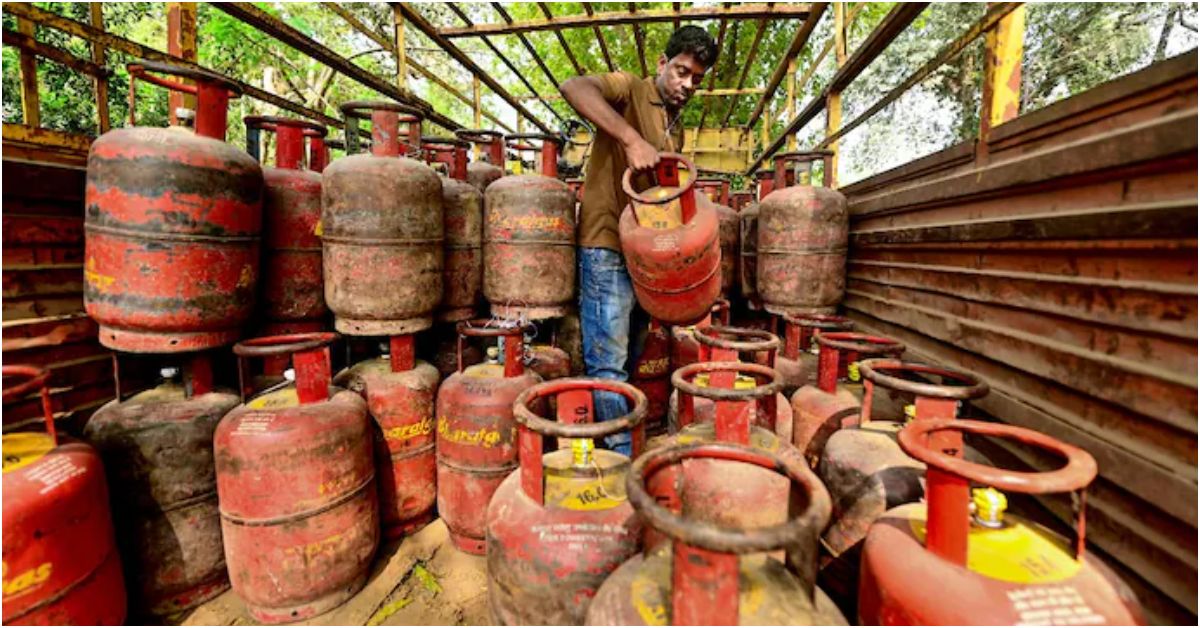
Domestic LPG prices continue to vary slightly across cities. In Delhi, a 14.2kg cylinder is currently priced at around Rs 913, while a smaller 5kg cylinder costs approximately Rs 339.
The policy has drawn mixed reactions. Some consumers see it as a necessary step towards transparency and fairness, while others view it as an added inconvenience, particularly in households that rely on LPG as a backup.
The government maintains that the changes are intended to streamline the system and ensure equitable access, though their long-term impact on India’s gas distribution network remains to be seen.