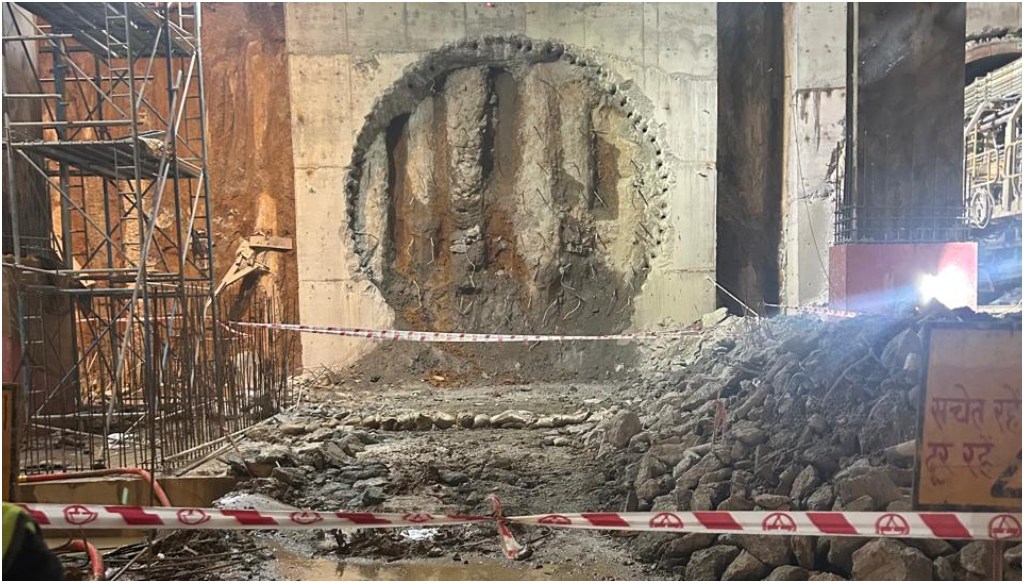
Patna: Patna is preparing for a first-of-its-kind project in India — an underground tunnel that will directly connect the Bihar Museum with the Patna Museum. The work has entered an important stage with the assembly of a massive Tunnel Boring Machine (TBM), which will dig the passage beneath the city. Officials involved in the project said the machine is being assembled underground and the process will take about two months. Once ready, excavation work is expected to begin in March, marking a major step forward for this ambitious heritage project.

The TBM being used for the museum tunnel has been brought from Singapore by the Delhi Metro Rail Corporation. Unlike regular metro tunnels, this one is being built specifically for pedestrians. People will be able to walk through the tunnel to move from one museum to the other without coming onto the busy city roads. The tunnel will be around 1.5 kilometres long and will run 15 to 20 metres below the ground. Engineers have already prepared the base slab and launch shaft, which will allow the giant machine to start drilling smoothly beneath the surface.
This project is closely linked with the rapid progress of the Patna Metro. From next month, metro services are expected to run up to Malahi Pakri, as the three-kilometre elevated track from Bhutnath to Malahi Pakri is now ready. Metro officials said the new stretch will be inspected by the Commissioner of Metro Rail Safety this month. After any shortcomings are fixed, the inauguration date will be finalised. At the same time, instructions have been issued to speed up work on the elevated corridor from Khemichak interchange to Mithapur.

Several underground metro tunnels are also being built across the city, including routes between Patna Junction and Rukanpura, and from Moinul Haq Stadium to Rajendra Nagar railway station. The museum tunnel will cross above the metro tunnel at Nehru Path. To manage this safely, the metro tunnel at this point will run nearly 29 metres below ground, while the museum tunnel will pass above it with a gap of about 6.5 metres between the two. Officials said careful planning has gone into ensuring that both projects can coexist without affecting each other.
What sets the museum tunnel apart is its design and purpose. It is being developed as a “heritage tunnel”, not just a passageway. The walls of the tunnel will be decorated like an art gallery, featuring Madhubani paintings, murals and artworks that reflect Bihar’s rich culture and history. The tunnel will pass under important city locations such as Vidyapati Marg, Taramandal Crossing, the Income Tax roundabout and Patna Women’s College. Entry and exit buildings will include a ground floor, a first floor and a three-level basement, adding to the project’s scale.
Targeted for completion by 2027, the tunnel is expected to greatly improve connectivity between the two museums and attract more tourists to the city. Officials believe it will offer visitors a unique experience — a quiet cultural walk beneath Patna — while also easing surface traffic. Once completed, the project will stand as India’s first tunnel connecting two museums, combining modern engineering with the state’s deep-rooted artistic and historical identity.