
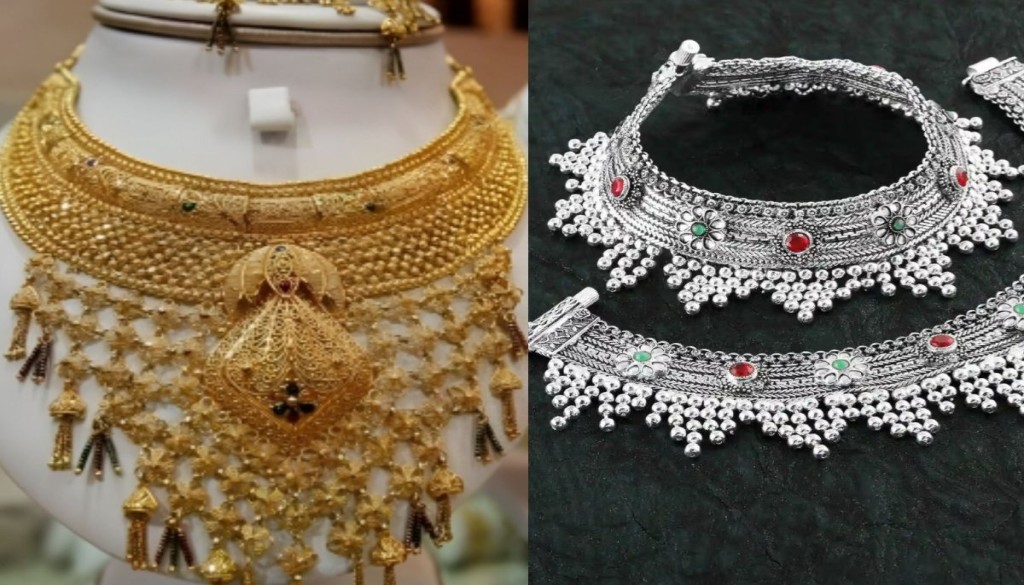
Patna: Gold and silver prices registered strong gains this week, reversing part of the losses seen in recent months as investors returned to the bullion market following a period of lower prices.

According to the latest market data, the price of 10 grams of gold rose by Rs 6,471 over the week to Rs 1.46 lakh, up from Rs 1.40 lakh on June 25.
Silver also posted a sharp increase, climbing by Rs 17,317 to Rs 2.34 lakh per kilogram, compared with Rs 2.17 lakh a week earlier.

Investor Demand Fuels Rebound
Market observers attributed the rally to renewed buying by investors after gold and silver retreated from their record highs earlier this year.
Despite the recent gains, bullion prices remain below the all-time highs recorded on January 29, when gold reached Rs 1.76 lakh per 10 grams and silver touched Rs 3.86 lakh per kilogram.
Gold Up More Than Rs 13,000 This Year
Precious metal prices have remained volatile throughout 2026.
Since the beginning of the year, gold has gained Rs 13,145, rising from Rs 1.33 lakh per 10 grams on December 31, 2025, to Rs 1.46 lakh.
Silver has also edged higher over the same period, increasing by Rs 3,438 from Rs 2.30 lakh to Rs 2.34 lakh per kilogram.
Why Gold Prices Differ Across Cities
Gold prices can vary between cities for several reasons, including:
- Transportation and security costs, which increase as bullion is transported over longer distances.
- Local demand and purchasing patterns, particularly in regions with higher jewellery consumption.
- Rates determined by local jewellery associations, based on regional supply and demand.
- The acquisition cost of existing gold stocks, which influences retail pricing by jewellers.
Policy Changes Affecting The Market
The bullion market has also been influenced by recent policy changes.
In May 2026, the central government increased the effective import duty on gold and silver from 6% to 15%, comprising a 10% basic customs duty and a 5% Agriculture Infrastructure and Development Cess (AIDC).
The government said the measure was intended to reduce imports and ease pressure on the country’s foreign exchange reserves.
In addition, jewellery made of gold, silver and platinum has been moved from the ‘free’ to the ‘restricted’ import category. Under revised rules notified by the Directorate General of Foreign Trade (DGFT), importers now require a government licence or permission to bring such jewellery into India.
Officials have said the changes are intended to prevent the misuse of Free Trade Agreements (FTAs), while market participants say the tighter import regime has affected supply and contributed to higher domestic prices.